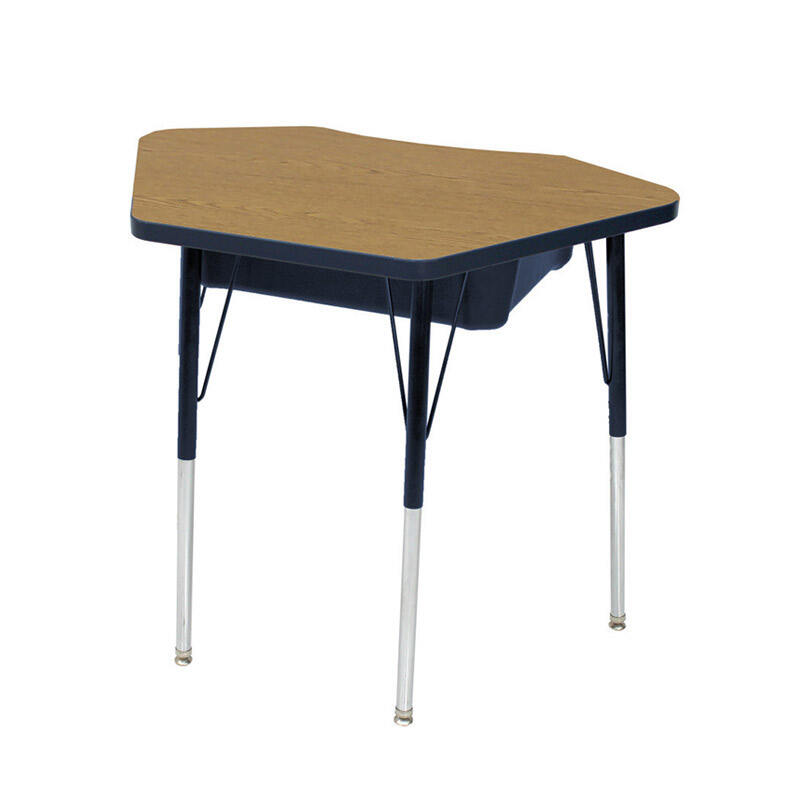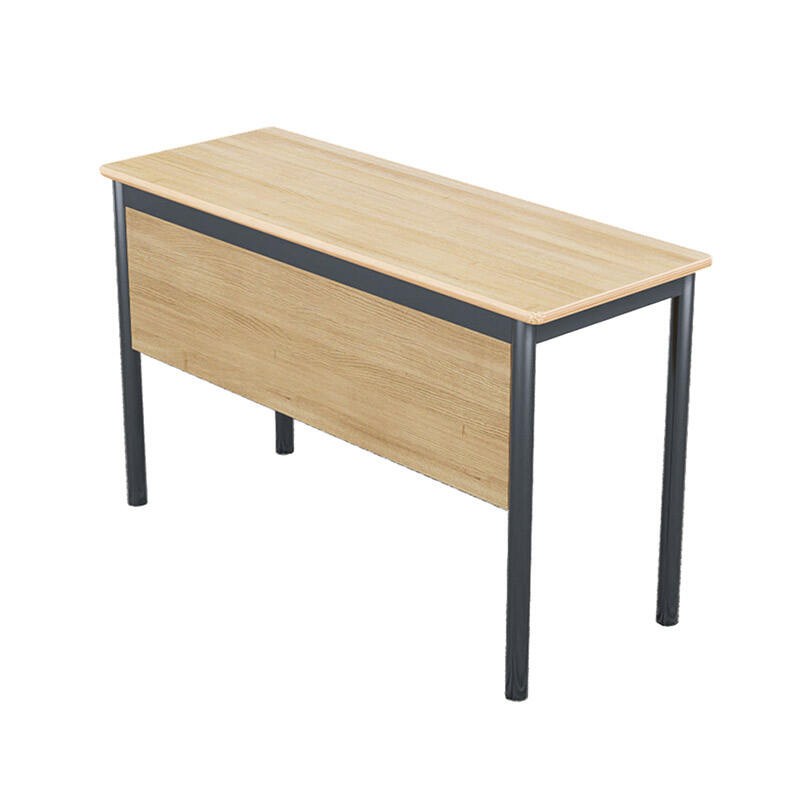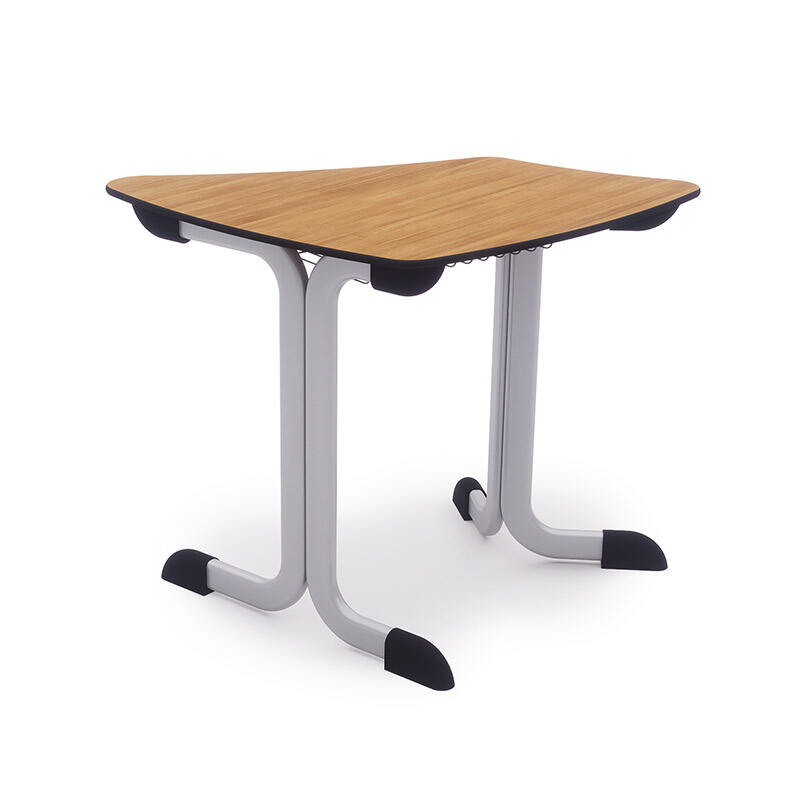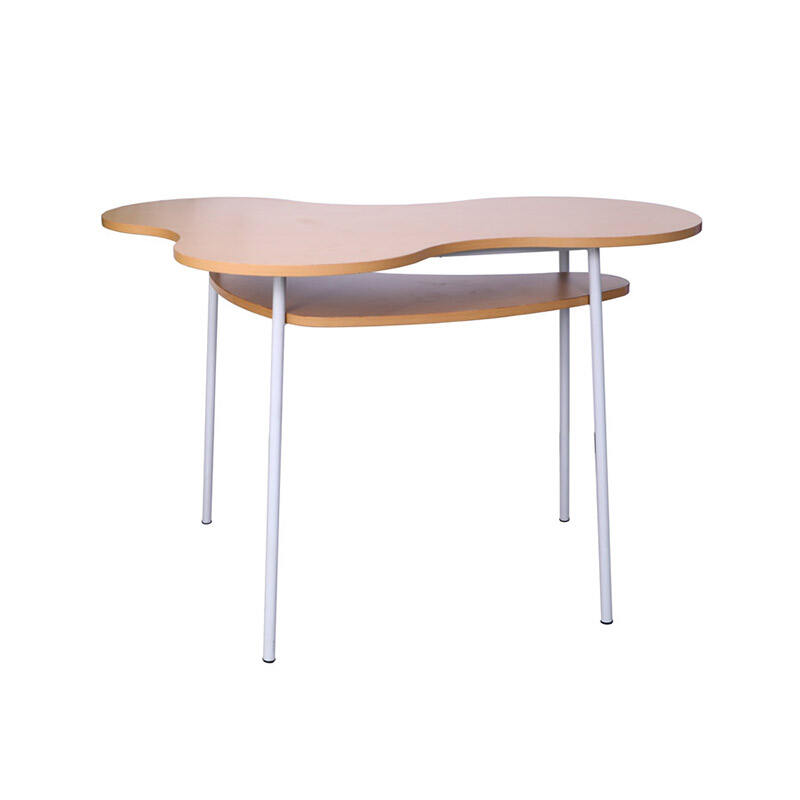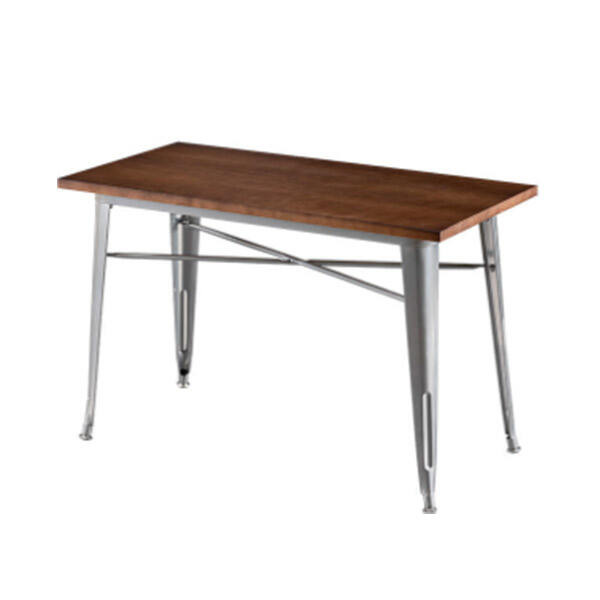
The teacher’s table in a classroom is an essential part of the space both functionally and symbolically. It arranges tools for teaching, computers, and administrative work, all of which require ordered surfaces to sustain daily use. Its shape supports easy movement around it while maintaining a proper posture suggesting ergonomic balance and function within the space. Depending on the pedagogy employed, the table may be placed centrally or peripherally which either enhances direct instruction and lecture or fosters learner-focused activities shaping classroom dynamics.. Modern versions sometimes have built-in power outlets for computers. Its cultural adaptability is notable as it can serve many purposes: privately held teaching culture, education system outlines, lesson frameworks providing a blend between human nature alongside practicality focused on connection, guiding interaction integrating freedom.
05
Jul
11
Jul
19
Jun
19
Jun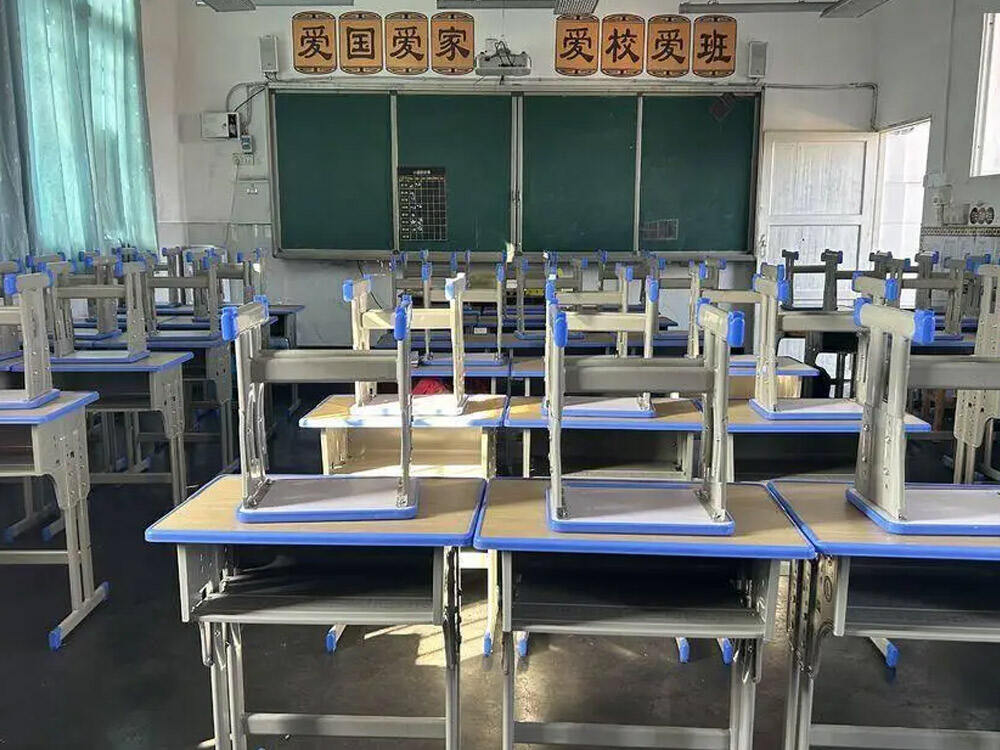
19
Jun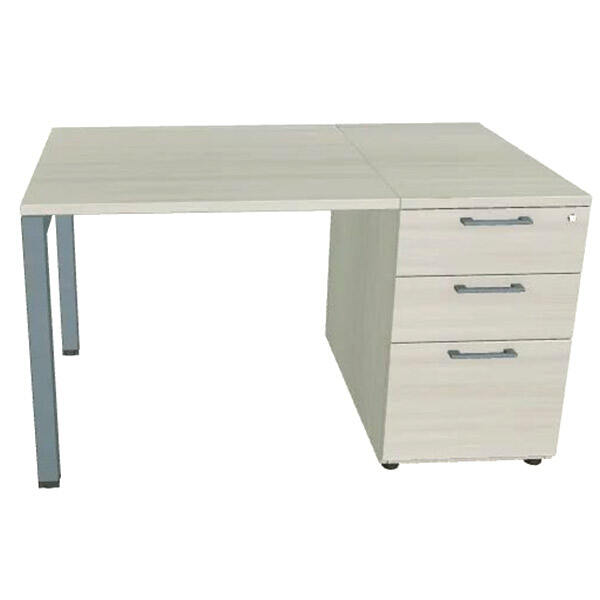


Jinhua Zhongyi Furniture (ZOIFUN) specializes in innovative classroom furniture manufacturing. Our student and teacher seating promotes healthy posture, comfort, and engagement through scientific design. Experience quality craftsmanship, sustainability, and a commitment to modern educational needs.
No. 977, Huafeng Middle Road, Shangcheng District, Hangzhou City, Zhejiang Province,China
Copyright © 2025 by Jinhua Zhongyi Furniture Co., Ltd. Privacy Policy
 EN
EN