EN
EN

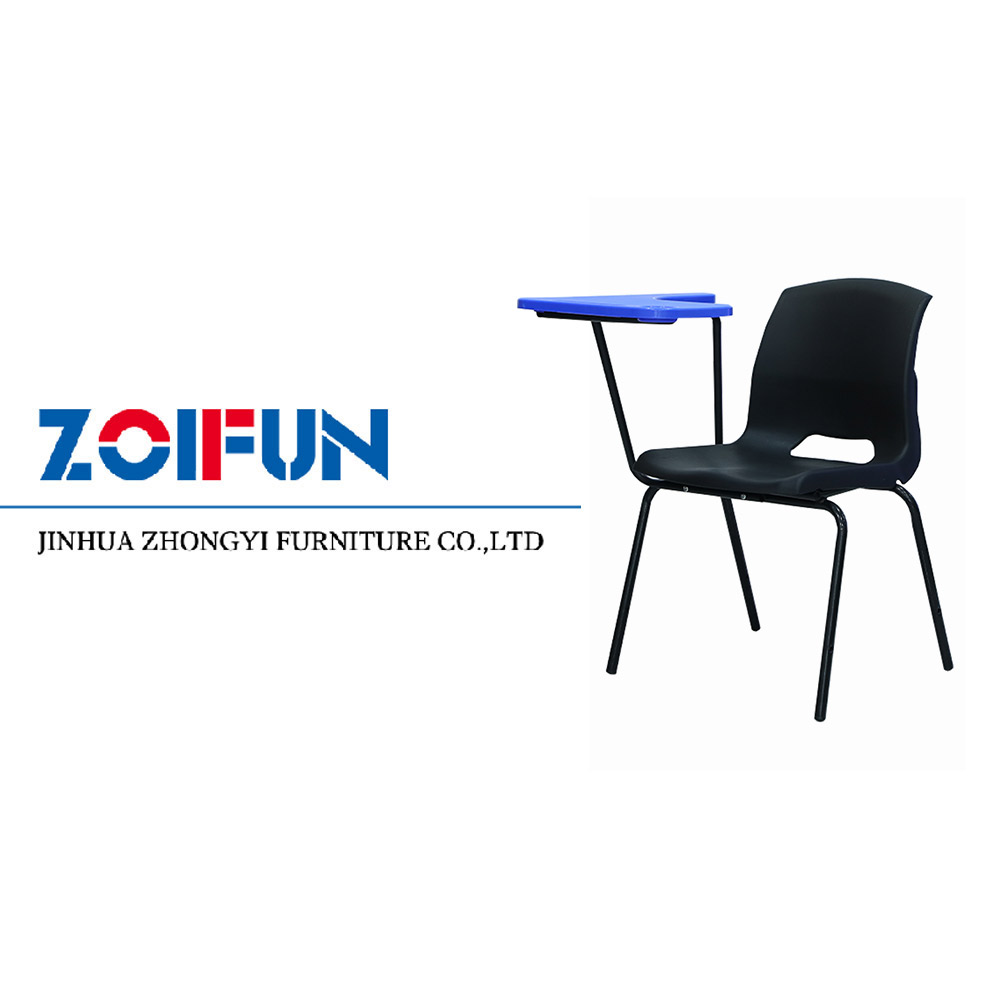
Fitting Chairs and Furniture to Your Size
The right-sized chairs and classroom furniture help with student learning and classroom engagement. Appropriate-sized classroom furniture is more than an aesthetic classroom design; it is a tool to help students learn. Children of different ages and grades need different sizes of chairs and desks. Chairs made for adults don't support growing pairs of legs or operate with their learning abilities. Chairs in the classrooms need to support the legs, hips, and overall bodies of the students. Children around the ages of six need chairs that are 12 to 14 inches in height and twelve inches in depth to support their seating. Supporting the seating of the chair helps alleviate bad circulation, slumping, and dangling legs. Unsupportive chairs. Poor classroom sit support, in addition to the discomfort caused by a classroom, takes away 15-20% of the critical brain power a student has to use for learning, and the flow of learning breaks the learning process. When classroom chairs are designed appropriately for the size of the students, it reduces the pain of the student’s lower backs and helps them focus in class. Research shows that appropriately sized furniture reduces the chances of chronic back pain by 30%. Stated educational journals, consistently, focused this interesting classroom design on the enhancement of student learning; ideally, it reduces the chances of chronic back pain by 30%.
Dynamic Seating and Graduated Movement to Sustain Attention
Children's bodies and minds need movement. Sitting still, and stagnating blood flow, is not helpful, and can make kids sleepy. Rocking chairs and dynamic classroom chairs that gently tilt between 5-8 degrees allow kids to shift their chairs in a way that helps their bodies. These chairs help kids stay stimulated instead of fidgeting out of discomfort. Engaging their core, kids will not lose their focus. Body mechanics studies show small movements cause a 12% increase in brain oxygen, improving memory and information processing. Teachers enjoy these new desks too- they have to redirect student attention way less. Focus improves when students can move around during lessons.
Safety, Durability, and Hygiene in High-Traffic Learning Spaces
Chairs are made to withstand years of daily use, while also giving kids a safe place to sit. Three important aspects that should be considered in design planning involve: safety, long lasting materials, and cleanability. Chairs with rounded edges reduce the chances of bruises and bumps, especially when kids are prone to grabbing anything in their reach. Chemical coatings that are safe for kids are in compliance with ASTM and CPSIA. Reinforced plastic and powder coated metal frames that are ready for the usual school wear and tear of sitting and pushing and the occasional spill. Chairs are made to last 5 to 10 years and retain school budget!. Surfaces are designed to prevent hiding places for germs and are made to be cleanable in the fastest way possible. Teachers appreciate when they are provided with surfaces that are easy to clean. Schools that made the switch reported a noticeable decline in sick days during the winter months.
How Classroom Chairs Quiets Learning Obstacles and Mexximizes Wellbeing.
Relieving Physical Discomfort & Fatigue
School chairs are meant to be uncomfortable to help kids focus. Design Problems chairs cause kids to fidget and get distracted, using brainpower that should be focused on learning. Chairs that are ergonomically designed to students individual bodies are proven--literally--to help students focus better and for longer. Muscle fatigue and blood flow obstructions are two ways ergonomically designed chairs make students focus longer. Students focus for 28% longer in chairs designed for their specific body measurements, and focus better. There are other good things happening too. Stress and discomfort are relax and soft and better sitting positions decrease stress hormones by 17% while help chemicals that regulate mood in the brain. Combat Stress, don't be cause if it. Action School s do because they see it ignore better after hand the result them pe usable better and more do decrease focused soft better on their seat tighten the focus use it more. 30% Back problems are dropped. It means and showing Absences investing in focus do more demonstrates that better seating, Classroom better arms engagement Learning Mexximized Chairs.
FAQ
Q: Why does the height of the classroom chairs matter?
A: The height of classroom chairs matters because, by age, students have different size chairs which help give proper body support and reduce discomfort relating to body posture.
Q: What benefits do students receive from flexible seating?
A: Flexible seating allows students to make small movements, increases the oxygen levels in their brains, improves their focus and decreases the likelihood of off task behavior.
Q: How do the classroom chairs demonstrate safety and longevity?
A: Safety and longevity are demonstrated with features like rounded corners, and a reinforced structure, and the coating does not have harmful chemicals.
Q: What are the positive effects of having student chairs with good ergonomics?
A: Having student chairs with good ergonomics, help the student to think better, reduce their tiredness, and to have better overall health.