EN
EN

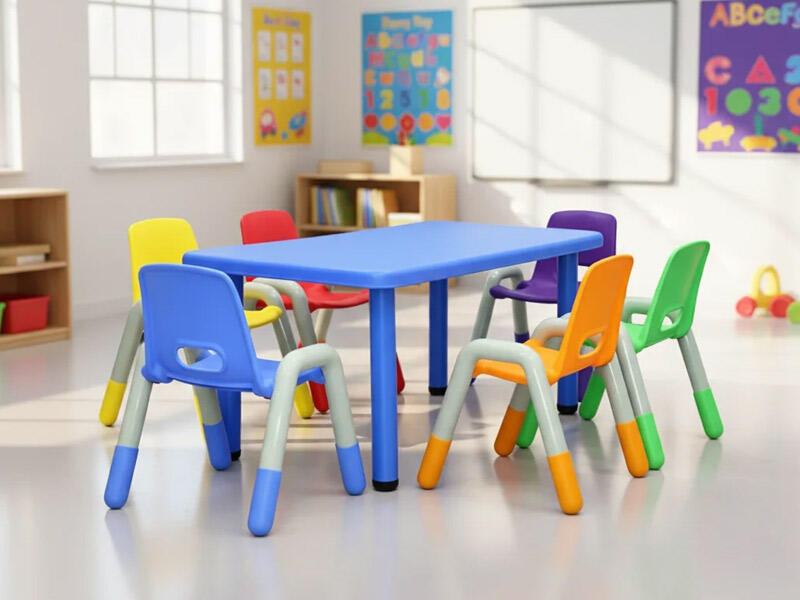
Daily Cleaning: The First Step to Protect the School Desk
The most basic yet crucial maintenance practice is daily cleaning. A school desk in a primary or secondary classroom often faces dust, pencil marks, ink stains, and food residue. Use a soft, slightly damp microfiber cloth to wipe the desk surface every day after classes. Avoid using abrasive cleaners or scouring pads, as these can scratch the desk’s laminate or finish. For stubborn stains, a mild soap solution (a few drops of dish soap mixed with warm water) works well. Always dry the surface immediately with a clean cloth. This prevents moisture from seeping into joints or edges, which could cause swelling or delamination over time.
Prevent Surface Damage: Avoid Scratches and Impact
The desk’s top is its most used part. To prevent scratches, never allow students to use sharp tools like compasses, box cutters, or scissors directly on the desk surface without a protective cutting mat. Also, remind students not to bang heavy objects—such as backpacks filled with books or metal water bottles—onto the desk. While most school desks are built with durable, scratch-resistant laminates, excessive impact can still chip corners or dent edges. If your desks feature adjustable height mechanisms (common in secondary or high school classrooms), regularly check the metal legs and brackets for dents or bends. Keeping the desk away from direct heat sources (like radiators or sunny windows for prolonged periods) also prevents the laminate from peeling or discoloring.
Tighten Hardware and Adjust Moving Parts Regularly
Many modern school desks come with moving parts: adjustable legs for height changes, hinge mechanisms for folding tablet arms, or leveling glides for uneven floors. At least once per semester, inspect all bolts, screws, and nuts. Using a simple Allen wrench or screwdriver, tighten any loose connections. For desks with pneumatic or spring-assisted height adjustments (like those used in university classrooms for flexibility), check that the lifting mechanism works smoothly without sudden drops. If you hear squeaking or grinding noises, apply a small amount of silicone-based lubricant (not oil-based, as that attracts dust) to the moving joints. Also, verify that rubber caps on leg bottoms are intact to prevent floor scratches and ensure stability.
Manage Weight Load: Respect the Desk’s Capacity
Every school desk has a recommended maximum load, though exact figures aren’t always printed on the product. From our design experience, a standard student desk for primary classroom use (typically with a steel frame and 18mm thick E0-grade laminate top) can safely support uniform loads up to 50–60 kg. However, repeated overloading—such as students sitting on desks, stacking multiple heavy textbooks, or placing desktop computers without proper support—can weaken the frame joints and cause the desktop to bow over time. Teach students not to stand or climb onto desks. For technology-equipped desks (e.g., with wire management grommets), avoid pulling cords forcefully, as this can damage the edge banding and loosen the grommet assembly.
Inspect Edges and Laminate Bonding Annually
The protective edge banding (the strip that seals the raw edge of the desk top) is vulnerable to peeling if exposed to humidity or rough handling. At the beginning of each school year, run your finger along all desk edges. If you notice any lifted or chipped banding, reattach it immediately using high-strength PVA glue or contact cement. Clamp the edge firmly for 24 hours until dry. For desks with T-molding edges (a common design for high-use secondary classrooms), check that the molding hasn’t pulled away from the core. A loose edge allows moisture to penetrate the particleboard or MDF core, leading to swelling and eventual cracking. Also, inspect the underside of the desk for any cracks in the laminate, especially near screw holes for leg attachments.
Proper Storage During Vacations
When school is out for summer or winter break, proper storage of school desks prevents unnecessary wear. If space allows, stack desks upside down on top of each other (with protective padding between layers) to save floor space and reduce exposure to dust. Alternatively, arrange desks in rows and cover them with breathable dust sheets—never plastic tarps, as trapped moisture can cause mold and laminate delamination. Keep desks away from exterior walls where temperature and humidity fluctuate most. If your desks have height-adjustable legs, retract them to the lowest setting for storage to reduce stress on the adjustment mechanism. For classrooms with known humidity issues, place silica gel desiccant packs inside storage cabinets or under desk clusters to absorb excess moisture.
Train Students and Staff on Proper Use
Long-term maintenance ultimately depends on user habits. Create simple, visual rules posted near the classroom door: “No standing on desks,” “Use a mat for cutting,” “Clean spills immediately.” Assign weekly desk monitors to perform quick checks (looking for loose screws or sticky residue). For science lab or art room desks (which may have chemical-resistant tops), ensure that students know which cleaning agents are safe—e.g., never use acetone or bleach on standard laminate. By involving students in care routines, you not only extend the life of each school desk but also teach responsibility.
Table of Contents
- Daily Cleaning: The First Step to Protect the School Desk
- Prevent Surface Damage: Avoid Scratches and Impact
- Tighten Hardware and Adjust Moving Parts Regularly
- Manage Weight Load: Respect the Desk’s Capacity
- Inspect Edges and Laminate Bonding Annually
- Proper Storage During Vacations
- Train Students and Staff on Proper Use