EN
EN

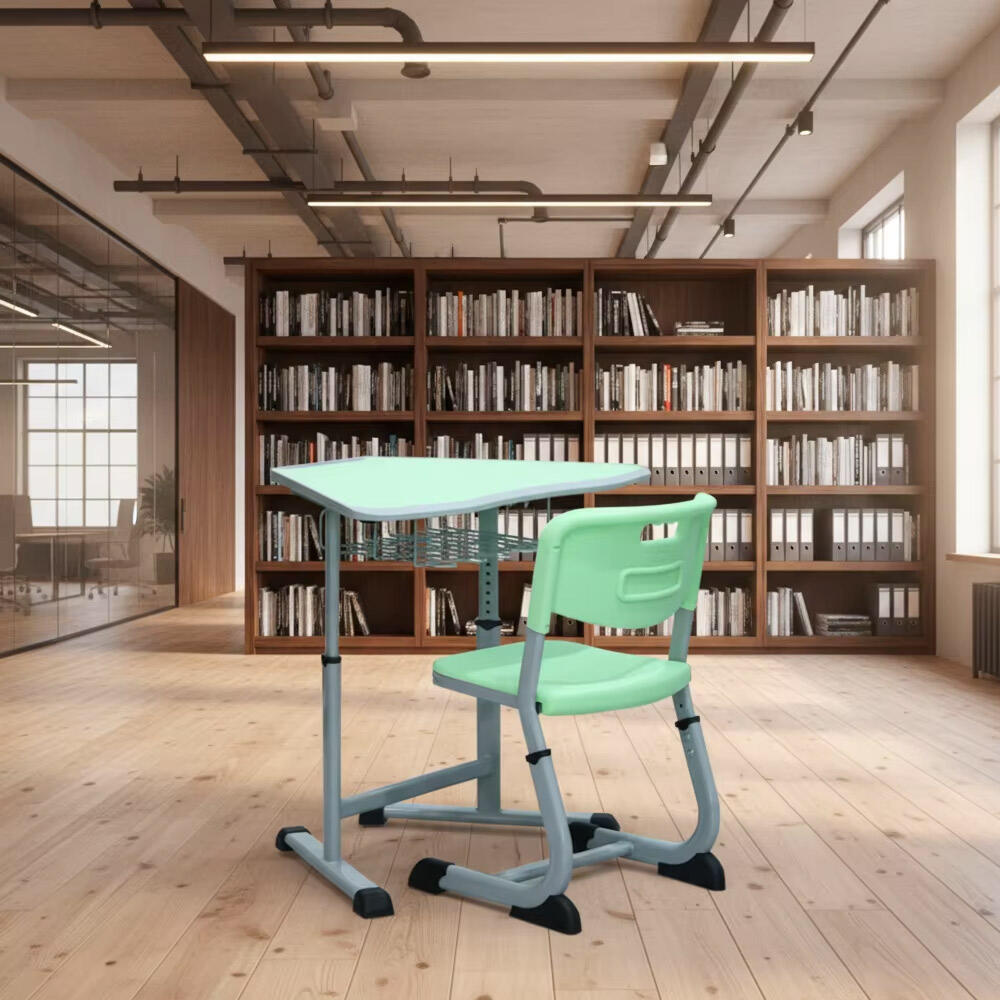
Engaging students and helping them succeed in school is influenced by many factors. One of the most important factors in the modern education landscape is the physical environment. Quality school furniture is no longer just about designing a place to sit. Quality school furniture encourages collaboration and physical wellbeing. It also adapts to many different types of teaching styles. In our years of international services of ergonomic solutions in international schools, we have learned that the appropriate classroom arrangement can decrease fatigue and increase concentration. When students are comfortable and an environment is flexible, learning barriers are lifted. This allows for greater learning.
Ergonomic Furniture Improves Student Attention and Health
The first way school furniture can affect learning is through the way it is designed. Traditionally, classroom chairs and desks are designed for poor posture. This can cause a lot of discomfort and restlessness that distracts kids from the task at hand. People who study the human body suggest that, in order for kids to have healthy meetings, they should provide a set of adjustable chairs and desks. This would facilitate younger and shorter kids to be able to achieve a “90-90-90” posture-- so that their knees, hips, and elbows are at right angles. Zoifun aims to achieve this with seating and desk height adjustability in our ranges to support the body’s natural spinal curve, in conjunction with our seat shells. This enables students to direct all their cognitive focus to the lesson, rather than physically fidgeting in their seats.
Collaboration Learning Is Enhanced With Different Flexible Furniture Arrangements
Learning is more effective when children listen passively and learn more actively through projects. Good learning environments need to be able to change in a matter of minutes. Educational psychology has shown that environments that encourage collaboration also enhance both social and cognitive abilities. With this in mind, new types of school furniture have been developed, such as trapezoidal or bean-shaped desks that have lockable casters, assisting teachers to switch quickly from individual testing rows to small group clusters. Modular desks in flexible learning environments reduce the feeling of a lean factory and enhance the feeling of a creative studio where ideas can flow freely.
Construction of Long-Lasting Trust Based on Durable Materials and Safety
Trust can be established in education through the safety and reliability of the school furniture. School furniture is subjected to high-traffic abuse and needs to remain safe. For example, reinforced steel frames and high-density polyethylene (HDPE) means that desks and chairs stay solid and splinter free for years. Staying safe and maintaining healthy air quality is supported through the use of non-toxic, eco-friendly coatings. At Zoifun, we, along with our manufacturing partners, provide full transparency in our material certifications with the promise that each component of our furniture promotes health and safety while supporting a nurturing, hazard-free environment for students.
Classroom Design and its Effect on Emotion and Behavior
Emotional response due to the environmental design of a classroom can be affected by the classroom's aesthetics. Use of lively colors in school furniture can lead to increased creativity in younger children, while furniture in soft, natural tones promotes calm and focuses in older children. Use of various textures and modern patterns creates a school design that contemporary and looks respectful of the students. Schools that abandon the design of the past that is “gray and industrial” begin to promote a sense of pride and ownership of the space for students. A design philosophy that we adhere to creates the energizing and welcoming classroom with the palette that is sophisticated, and remains professional.
Clear the Mind By Clearing The Environment
Effective classroom design takes into account that the mind works best in uncluttered spaces. Classroom design with integrated storage solutions, such as mobile classroom cabinets or under desk cubbies, reduce the cognitive load caused by disorganized materials. In the classroom, organized learning materials reduce the “visual noise" that results from exposed disorganized materials. This results in students being able to better focus, as noted by classroom management experts. Having an organized space for belongings helps students with personalized responsibility, with the additional benefit of simplifying the teacher's instructional load during the teaching day.
Supporting Different Learning Needs Through Inclusivity
Every student has different learning styles, which should be reflected in the design of the classroom. Inclusive design means offering flexible and adaptable choices. Students should be able to use wobble stools or standing desks in the classroom. Authoritative studies show “active seating” is very beneficial to students with ADHD and helps them control their sensory systems. Offering many seating choices in a classroom shows a school’s commitment to each child’s success. Our experience planning learning environments shows that inclusivity fosters a culture of empathy and support that goes beyond the design.
Table of Contents
- Ergonomic Furniture Improves Student Attention and Health
- Collaboration Learning Is Enhanced With Different Flexible Furniture Arrangements
- Construction of Long-Lasting Trust Based on Durable Materials and Safety
- Classroom Design and its Effect on Emotion and Behavior
- Clear the Mind By Clearing The Environment
- Supporting Different Learning Needs Through Inclusivity