EN
EN

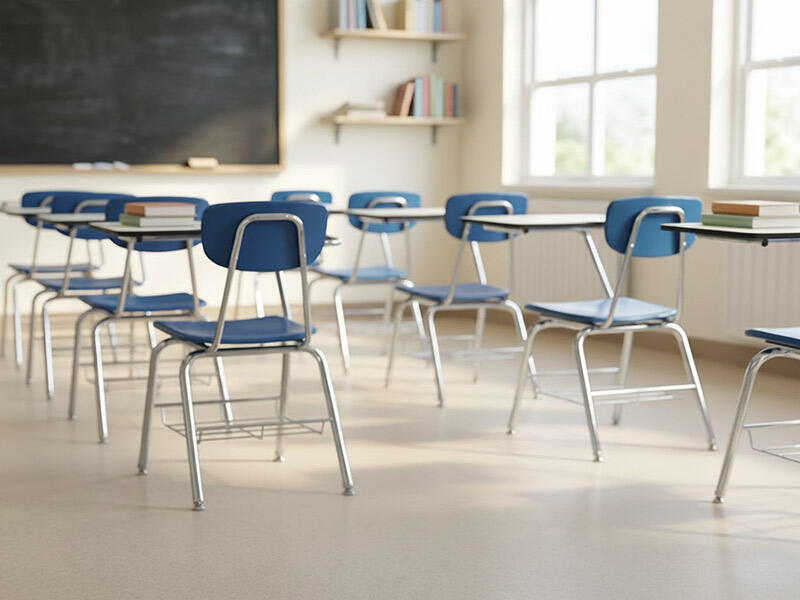
Eğitim ortamları için mobilya seçerken dayanıklılık, okul yöneticileri ve tesis yöneticileri için genellikle en öncelikli endişe kaynağıdır. Bir sınıf sandalyesi, farklı yaş gruplarından ve aktivite düzeylerinden öğrenciler tarafından günlük olarak yıllarca kullanılabilmesi için dayanıklı olmalıdır. Uzun ömürlü bir sandalyenin dayanıklılığını sağlayan temel faktörleri anlamak, okulların bütçelerini koruyan ve öğrenci güvenliğini sağlayacak bilinçli satın alma kararları almasını sağlar.
Malzeme Seçimi: Dayanıklılığın Temeli
Bir sınıf sandalyesinde kullanılan malzemeler, sandalyenin temel dayanıklılığını belirler. Özellikle akçaağaç gibi sert ağaçlardan üretilen ahşap sandalyeler, onlarca yıldır süren kullanım sürecinde kurşun kalem izlerine ve darbelere, daha ucuz partikül levha alternatiflerine kıyasla çok daha iyi direnerek dikkat çekici bir dayanıklılık sergilemiştir. Ancak ahşap, sanat odaları veya kimya laboratuvarları gibi dökülmelerin sık görüldüğü ortamlarda nem maruziyetine karşı uygun şekilde kaplanmalıdır.
Modern sınıflar için, çelik çerçevelerle güçlendirilmiş hafif polipropilen sandalyeler giderek daha popüler hale gelmiştir. Polipropilen, solmaya dirençli özelliklere sahiptir ve günlük silme işlemiyle kolayca temizlenebilir. Saygın üreticilerin ürün dokümantasyonlarına göre, HDPE (yüksek yoğunluklu polietilen) sandalyeler, yüzlerce öğrencinin günlük yoğun kullanımı altında bile sekiz yıldan çok daha uzun süre dayanacak şekilde tasarlanmıştır. Bu yeni tasarımlar, aşınma testlerinde daha ağır ahşap sandalyelere kıyasla genellikle daha iyi performans gösterir; bu da dayanıklılık açısından akıllı mühendisliğin saf ağırlıktan daha önemli olabileceğini göstermektedir.
Çelik çerçeveli mobilyalar, olağanüstü yük taşıma kapasitesine sahiptir. Birçok çelik çerçeveli sınıf sandalyesi modeli, bükülmeden veya çizilmeden 150 pound’u (yaklaşık 68 kg) rahatlıkla taşıyabilir; bu nedenle ortaokul ve lise ortamlarına oldukça uygundur. ASTM standartlarına göre test edilen kaplamalı çelik çerçeveler, yaklaşık 300 pound’luk (yaklaşık 136 kg) yükleri taşıyabilir ve lavaboların yanında ya da nemli alanlarda bile korozyona karşı direnç gösterebilir.
Yaşamı uzatmak için yapılar
Malzeme seçimine ek olarak, bir sınıf sandalyesinin yapımı uzun ömürlülüğünde kritik bir rol oynar. Üreticiler, tabanında kaburgaları olan koltuk parçalarının düz tabanlı tasarımlara kıyasla yığılma sırasında önemli ölçüde daha uzun süre dayanıklı olduğunu bulmuşlardır. Bu kaburgalı takviye ağırlığı daha eşit bir şekilde dağıtır ve tekrarlanan kullanım altında çatlamayı önler.
Sandalye tabanının tasarımı da önemli. Birçok modern sandalye tabanı, yan yana hareket etmeyi etkili bir şekilde azaltan, eklemlerin gevşemesine ve nihai başarısızlığa neden olabilecek titremeyi en aza indirgenen üçgen bir destek sistemi içerir. Metal masa bacakları yan tarafa itilirken köşelerde yayılır, ancak güçlendirilmiş köşeler ve çapraz çubuklar bu sorunu güvenilir bir şekilde çözür. Örneğin, Zoifun'un sandalye tabanları, günlük sınıf faaliyetleri sırasında istikrarı artırmak için bu üçgen takviyeyi kullanır.
Test Standartları ve Uygunluk Kanıtı
Profesyonel test standartları, dayanıklılık açısından ölçülebilir bir güvence sağlar. ANSI/BIFMA X6.1-2018 standardı, eğitim amaçlı oturma ürünleriyle ilgili güvenliği, dayanıklılığı ve yapısal yeterliliği değerlendirmek için belirli testleri, laboratuvar ekipmanlarını ve önerilen minimum seviyeleri tanımlar. Amerikan Ulusal Standartlar Enstitüsü tarafından onaylanan bu ulusal uzlaşma standardı, daha ağır yetişkinler ve çocuklar dikkate alınarak artırılmış test kuvvetleri ve yükleri içermektedir.
Avrupa'da EN 1729-2:2023 standardı, eğitim amaçlı sandalye ve masalar için güvenlik gereksinimlerini ve test yöntemlerini belirtir; bu standart, kararlılık, dayanıklılık ve uzun ömürlülüğü kapsar. Bu katı test protokolleri, kontrollü bir laboratuvar ortamında günlük kullanımın yıllarını simüle eder. Okullar, üreticilerden bu uluslararası olarak tanınan standartlara uygunluğu doğrulamak amacıyla her zaman test raporları talep etmelidir. Kaliteli bir sınıf sandalyesi standart yük testlerine tabi tutulduğunda, iyi tasarlanmış modeller genellikle ortalama bir öğrencinin ağırlığının çok üzerinde kuvvetleri karşılayabilir; bu da devrilme veya yapısal arıza riskini önemli ölçüde azaltır. Bu güvenlik payı, sandalyelerin yoğun kullanılan sınıflarda ara sıra yanlış kullanım durumlarında bile yapısal olarak sağlam kalmasını sağlar.
Üretim Kalitesi ve Montaj Hassasiyeti
En iyi malzemeler bile bir sınıf sandalyesi yanlış monte edilirse erken başarısız olur. Saygın üreticiler, kalite yönetim sistemleri için ISO 9001 sertifikasına sahiptir. Avrupa veya Kuzey Amerika’ya ihracat yapılacaksa EN 1729 ve yangın güvenliği standartları (örneğin BS 5852 veya CA 117) ile uyum sağlanmasının beklenmesi gerekir.
Doğru montaj, bağlantı noktalarına dikkat etmeyi içerir. Köşelerdeki zayıf kaynaklar geç ya da geç olmamakla birlikte erken başarısız olur; bu nedenle okullar, mobilya seçeneklerini değerlendirirken bağlantı noktalarını incelemelidir. Bacak bağlantılarının güçlendirilmesi ve çerçevenin tamamında çapraz destek kullanımı, öğrencilerin ders etkinlikleri sırasında oturması, kalkması ve hareket etmesi sırasında sandalyelerin sabit kalmasını sağlar. Üretimdeki kalite kontrolü, sınıf ortamındaki kullanım ömrünü doğrudan uzatır.
Uzun Ömürlülüğü Koruyan Bakım Uygulamaları
İyi bakılmış bir sınıf sandalyesi, yalnızca reaktif bakım alan bir sandalyeden çok daha uzun ömürlü olabilir. Sistematik bakım programları uygulayan eğitim tesisleri, bu tür programları uygulamayanlara kıyasla daima daha uzun mobilya ömrü bildirmektedir. Pratik bakım, metal ve plastik yüzeyli sandalyeler için yumuşak bir bez ile hafif deterjanlı bir çözeltiyle düzenli temizliği içerir. Okullar ayrıca ayak cıvatalarını, sırt dayanağı bağlantı elemanlarını ve döner taban gibi hareketli parçaları periyodik olarak kontrol etmelidir. Basit öğrenci eğitimi—örneğin öğrencileri aşırı geriye yaslanmamaları veya fazla sallanmamaları konusunda hatırlatmak—de aşınmayı azaltmaya yardımcı olabilir. Uygulamada, proaktif bir bakım rutini, kaliteli bir sınıf sandalyesinin faydalı ömrünü birkaç yıl uzatabilir.
Gerçek Dünya Performansı ve Beklenen Ömür
Gerçek sınıf performansı verilerine dayanarak, iyi tasarlanmış bir sınıf sandalyesi, uygun şekilde bakımı yapıldığında genellikle 5 ila 10 yıl güvenilir hizmet sunar. HDPE sandalyelerin birçok okul ortamında sekiz yıldan çok daha uzun süre dayandığı belgelenmiştir. Ahşap sandalyeler normal kullanımda 12 ila 15 yıla kadar dayanabilir.
Ancak okullar, daha düşük kaliteli seçeneklerin çok daha hızlı başarısız olabileceğinin farkında olmalıdır. Bazı bildirilen vakalarda, kötü şekilde üretilen sandalyelerin yalnızca birkaç ay içinde yapısal sorunlar gösterdiği gözlemlenmiştir. Bu keskin tezat, herhangi bir okulun mobilya bütçesini en üst düzeye çıkarmak istiyorsa kaliteli malzemelere, doğru imalata ve tanınmış standartlara uyum sağlamaya yatırım yapmasının neden bu kadar önemli olduğunu vurgular.
Sınıf sandalyesi seçerken tam resme dikkat edin: malzeme kalitesi, yapısal tasarım özellikleri, bağımsız üçüncü parti test sertifikaları, üretim hassasiyeti ve okulunuzun bakım kapasitesi. Bu alanların tamamında üstün performans gösteren bir sandalye, öğrencilerin güvenli ve rahat bir şekilde yıllarca yararlanmasını sağlayacak; sonuç olarak maliyetleri azaltacak ve sık sık yapılan değişimlerle ortaya çıkan idari yükü hafifletecektir.