EN
EN

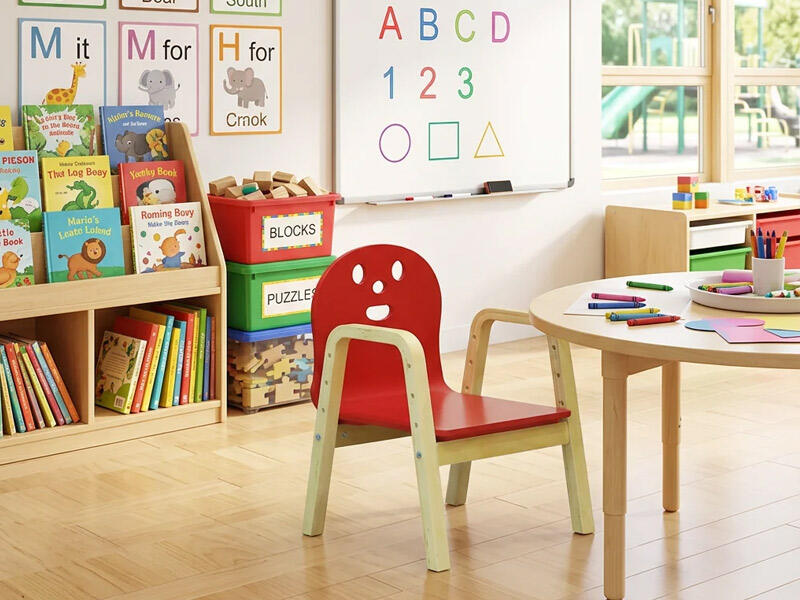
Selecting the right furniture for a preschool environment is a task that balances child developmental needs with long-term institutional value. A kids chair in a preschool setting is not merely a smaller version of adult furniture; it is a specialized tool designed to support a child’s physical growth, safety, and engagement in learning activities. Having equipped numerous early childhood centers, we understand that the selection process requires a blend of ergonomic science and practical site management. This guide breaks down the essential factors to consider when sourcing seating for the youngest learners.
Prioritizing Ergonomics and Correct Seat Height
The most common mistake in preschool procurement is choosing a uniform size for a diverse age group. Children between the ages of 2 and 6 experience rapid growth spurts, and sitting in a kids chair that is either too high or too low can lead to poor posture and decreased concentration. According to ergonomic standards for early education, a child’s feet should rest flat on the floor with their knees bent at a 90-degree angle.
In our practical experience, providing a variety of seat heights—typically ranging from 24cm to 30cm for preschools—is the most effective way to accommodate different children. When the seat height is correctly matched to the child’s stature, it reduces pressure on the lower back and promotes a stable "active sitting" posture. Our product range focuses on these specific height increments to ensure that every student can find a kids chair that supports their physical development during critical growing years.
Material Safety and Structural Durability
In a preschool setting, furniture undergoes constant use and rigorous cleaning. Therefore, the material composition of a kids chair is paramount for both safety and longevity. We prioritize the use of high-quality, eco-friendly polypropylene (PP) for the chair shells. This material is preferred in the industry because it is non-toxic, BPA-free, and easy to sanitize with standard school-grade disinfectants.
Furthermore, the structural integrity of the frame determines how well the chair handles the high energy of young children. A high-quality kids chair should feature a reinforced frame, often utilizing heavy-duty steel tubing with a powder-coated finish to prevent rust and chipping. From a technical standpoint, the integration between the seat and the frame must be seamless to prevent small fingers from getting pinched. Our manufacturing process emphasizes smooth, rounded edges and a burr-free finish, ensuring that the chair is safe for tactile exploration.
Design Features for Enhanced Classroom Safety
Safety in a preschool is not just about material toxicity; it is about the physical design of the furniture. When evaluating a kids chair, we always look for a wide-base design. Preschoolers are naturally active and may lean or reach while seated. A chair with a slightly flared leg base provides a lower center of gravity, significantly reducing the risk of tipping over during movement.
Another critical safety feature is the "anti-slip" element. Whether through textured seat surfaces or high-grade floor glides, a kids chair must remain stable on various surfaces, from classroom carpets to polished wood floors. We ensure that our chairs are equipped with durable, non-marring floor protectors that not only prevent the chair from sliding unexpectedly but also protect the school’s flooring investment from scratches and scuffs.
Promoting Comfort through Breathable and Contoured Shapes
Comfort is a major factor in a child’s ability to focus on a task. A well-designed kids chair should feature a contoured backrest that follows the natural curve of a child’s spine. This provides essential lumbar support, preventing the "slumping" often seen when children sit in flat-backed chairs.
Additionally, we have found that incorporating ventilation holes or a breathable mesh-style design in the plastic backrest helps regulate body temperature. In classrooms without constant climate control, a solid plastic chair can become uncomfortable during warmer months. By choosing a kids chair with air-flow considerations, schools can ensure that students remain comfortable and focused on their lessons rather than their physical discomfort. This subtle design choice is a hallmark of professional-grade educational furniture.
Practicality: Stackability and Space Management
Preschool classrooms are multi-functional spaces that often need to transition from "table time" to "circle time" or floor play. This makes the stackability of a kids chair a vital logistical feature. A chair that is lightweight enough for a teacher to move easily, yet sturdy enough to stack 5 to 10 units high without warping, is a significant asset for space management.
Our experience with international school clients shows that stackable designs save nearly 70% of floor space during cleaning or after-school activities. When chairs are designed to stack perfectly, they distribute weight through the frames rather than the seat pans, which prevents the plastic from cracking under pressure. This practical consideration ensures that the kids chair inventory remains in good condition for years, providing a better return on investment for the preschool.
Ensuring Transparency and International Standards
Trustworthiness in the school furniture industry is built on adherence to international quality standards. When choosing a kids chair, it is important to verify that the manufacturer follows recognized protocols such as ISO certifications or BIFMA testing. These certifications serve as an objective guarantee that the furniture has been tested for weight capacity, impact resistance, and chemical safety.
We believe in complete transparency regarding our production processes. By providing clear data on load-bearing capacities and material origins, we help preschool administrators make informed decisions. A kids chair is an investment in a child’s educational journey; therefore, choosing a supplier that prioritizes evidence-based design and proven durability is essential for creating a successful and safe learning environment.