EN
EN

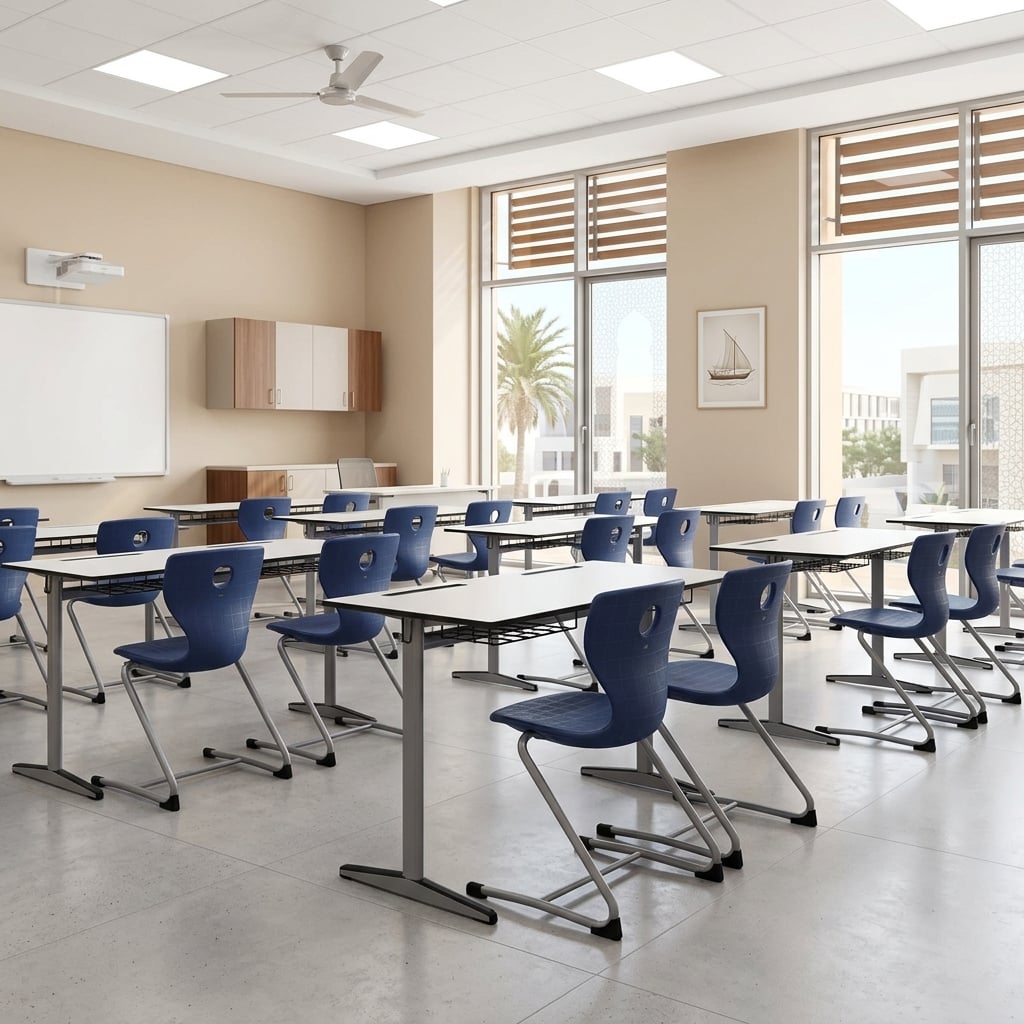
Designing the 21st-Century Learning Space: A Guide to Modern Classroom Layouts
The days of rows of heavy, bolted-down desks facing a dusty chalkboard are gone. Today’s education shifts away from passive listening and toward active, collaborative, and student-centered learning. To support this pedagogical evolution, the physical learning environment must adapt.
A well-planned modern classroom layout does more than just look sleek. It actively boosts student engagement, reduces behavioral issues, and gives teachers the freedom to execute diverse lesson plans.
Here is a comprehensive breakdown of the top modern classroom layouts and the essential furniture that makes them work.
1. Core Layout Models for the Modern Classroom
? The Pod Layout (Collaborative Cluster)
- Best For: Project-Based Learning (PBL), small group discussions, and peer-to-peer tutoring.
- How It Works: Grouping 4 to 6 modular desks together to face one another, creating distinct team "islands" or pods throughout the room.
- Key Benefit: It breaks down the traditional barrier between teacher and student, directly encouraging communication, teamwork, and collective problem-solving.
? The Flexible Zones (Blended Learning Environment)
- Best For: Differentiated instruction, stations rotation, and self-paced learning.
- How It Works: Dividing the classroom into distinct functional areas. For example, a "quiet zone" along the perimeter for independent study, a central "collaboration hub," and a cozy corner with rugs for reading or reflection.
- Key Benefit: It accommodates diverse learning styles simultaneously, allowing teachers to give targeted support to one group while others work independently.
? The Horseshoe / U-Shape
- Best For: Whole-class discussions, Socratic seminars, and interactive presentations.
- How It Works: Arranging desks in a large semi-circle or U-shape facing the primary display board, leaving the center of the room open.
- Key Benefit: Every single student has a direct line of sight to the teacher and their peers. This layout maximizes eye contact, boosts engagement, and allows the teacher to easily walk up to any student for individual guidance.
-
2. The Engine of Flexibility: Choosing the Right FurnitureThe best layout concept will fail without the right physical infrastructure. Modern classroom design relies entirely on two principles: mobility and adaptability.
- Mobile Desks & Chairs: Outfitting furniture with high-quality, locking casters allows a teacher to transition a room from a traditional lecture setup to group testing or a fishbowl debate in under two minutes.
- Geometric & Modular Shapes: Traditional rectangular desks are rigid and limit configuration options. Modern triangular, crescent, or petal-shaped desks nest together seamlessly, opening up endless geometric layout possibilities.
- Ergonomic Sit-to-Stand Desks: Incorporating height-adjustable options keeps students active. Giving students the choice to stand or sit naturally channels physical energy, drastically improving focus and reducing restlessness.
3. Age-Appropriate Design Considerations- Early Childhood & Primary School (K-5): Focus heavily on safety, tactile stimulation, and bright visual tracking. Incorporate low-profile storage, soft foam seating, and floor cushions to encourage collaborative play and floor-based storytelling.
- Middle & High School (6-12): Focus on rapid reconfiguration and space optimization. All-in-one mobile tablet-arm chairs (combo seating) excel here, letting older students quickly shift layouts as they rotate through different academic subjects.
- Higher Education & Universities: Focus on technology integration and professional networking setups. Look for large collaborative tables equipped with integrated power outlets, charging ports, and multi-screen connectivity to support laptops and tablets.
4. ConclusionModern classroom layout design is not just about moving furniture around; it is the physical manifestation of forward-thinking educational values. By designing an open, flexible, and supportive physical space, we intuitively coach students to become better communicators, stronger collaborators, and lifelong learners.