EN
EN

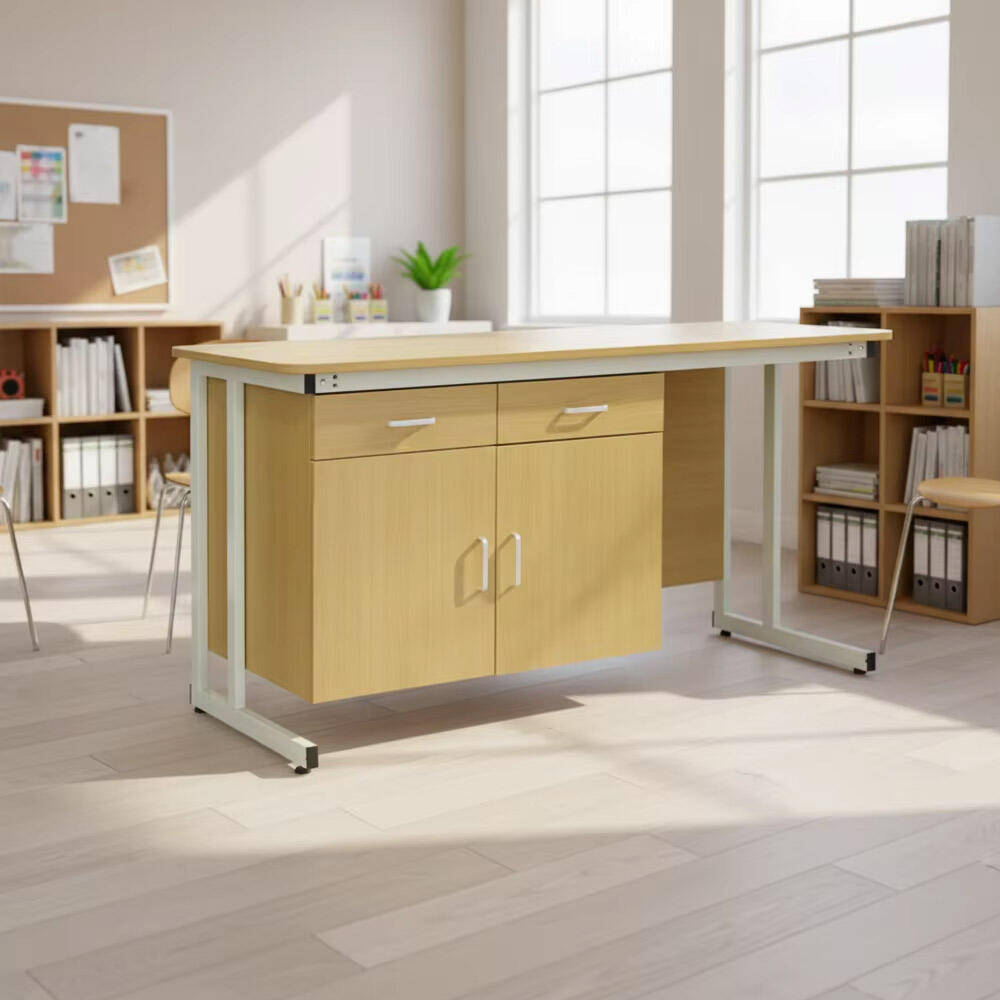
In the contemporary educational landscape, the classroom environment is shifting from a traditional "sage on the stage" model to a more collaborative, student-centered approach. At the heart of this transformation is the evolution of the teacher desk. No longer just a static wooden block at the front of the room used for grading papers, the modern desk has become a multifunctional hub designed to support digital integration, physical wellness, and flexible teaching styles. Selecting the right furniture is a critical decision for school administrators, as it directly impacts educator performance and the overall classroom atmosphere. By prioritizing ergonomic design and adaptability, schools can provide their staff with the tools necessary to thrive in a high-pressure academic setting.
Prioritizing Ergonomics and Physical Health in Education
One of the most significant advancements in classroom furniture is the integration of ergonomic features. For years, educators have suffered from back pain and fatigue due to poorly designed workstations. A high-quality teacher desk now often includes height-adjustable mechanisms, allowing the user to switch between sitting and standing throughout the day. Based on my experience collaborating with various international schools, implementing sit-stand desks has led to a noticeable increase in teacher energy levels and focus. According to ergonomic experts and health researchers, reducing sedentary behavior can mitigate long-term health risks such as musculoskeletal disorders. Modern designs focus on contoured edges, adjustable monitor arms, and footrests to ensure that the desk adapts to the human body, rather than forcing the body to adapt to the furniture.
Integrating Advanced Technology and Cable Management
The digital revolution has brought laptops, tablets, and interactive displays into every classroom, which means a teacher desk must function as a sophisticated tech station. A major pain point for many schools is "cable chaos"—the unsightly and hazardous tangle of power cords and data cables. Leading furniture manufacturers have addressed this by incorporating built-in power strips, USB charging ports, and recessed cable management channels. This transparency in design ensures that technology is accessible without cluttering the workspace. In a recent project with a STEM-focused academy, we provided desks with integrated grommets and hidden storage compartments for CPU towers, creating a clean, professional look that allows the teacher to focus on instruction rather than troubleshooting hardware connections.
Enhancing Classroom Flexibility with Mobile and Modular Designs
As classrooms become more dynamic, the need for mobility has become paramount. Many modern teacher desk designs now feature heavy-duty, locking casters that allow the instructor to move their workstation easily. This mobility supports different teaching configurations, such as moving the desk to the side for group activities or bringing it closer to a student's pod for individualized coaching. Modular components, such as attachable side tables or "teardrop" shaped extensions, allow the desk to transform into a small meeting table for parent-teacher conferences or collaborative planning sessions. This versatility ensures that the school’s investment remains valuable even as pedagogical trends change over time.
Durability and Material Safety for High-Traffic Environments
Trustworthiness in school furniture is built on durability and safety. A teacher desk in a busy K-12 environment must withstand constant use, cleaning, and occasional impacts. Professional-grade desks utilize high-pressure laminates (HPL) that are resistant to scratches, heat, and chemicals. Furthermore, it is essential to source furniture that meets environmental and safety standards, such as GREENGUARD certification, which ensures low chemical emissions for better indoor air quality. During my site visits to manufacturing facilities, I’ve observed that the highest quality desks use reinforced steel frames and edge-banding that won't peel over time. Choosing materials that are both robust and sustainable demonstrates a school's commitment to providing a safe, long-lasting learning environment.
Optimizing Storage Solutions for Modern Organizational Needs
Despite the shift toward digital files, teachers still require smart physical storage solutions. Modern teacher desk features often include a combination of locking file drawers for sensitive documents and open shelving for quick-access items. The trend is moving away from massive, heavy pedestals toward "slim-line" storage units that provide ample space without a large footprint. Many innovative designs now include specialized compartments for personal items, such as bags or coats, keeping the classroom looking organized and professional. By providing tailored storage, schools help teachers manage their daily workflows more efficiently, reducing the time spent searching for supplies and increasing time spent with students.
Aesthetic Design and the Psychological Impact on Learning
The visual appeal of classroom furniture should not be underestimated. A modern teacher desk with clean lines and a contemporary color palette can significantly improve the aesthetic of the room. Research into "learning space design" suggests that a professional and inviting environment can lower stress levels for both teachers and students. Manufacturers now offer a variety of finishes, from warm wood grains to sleek neutral grays, allowing schools to match their furniture to their specific brand identity or interior design theme. A well-designed desk serves as a symbol of professional respect for the educator, acknowledging their role as a leader in the classroom and fostering a sense of pride in their workspace.
Table of Contents
- Prioritizing Ergonomics and Physical Health in Education
- Integrating Advanced Technology and Cable Management
- Enhancing Classroom Flexibility with Mobile and Modular Designs
- Durability and Material Safety for High-Traffic Environments
- Optimizing Storage Solutions for Modern Organizational Needs
- Aesthetic Design and the Psychological Impact on Learning