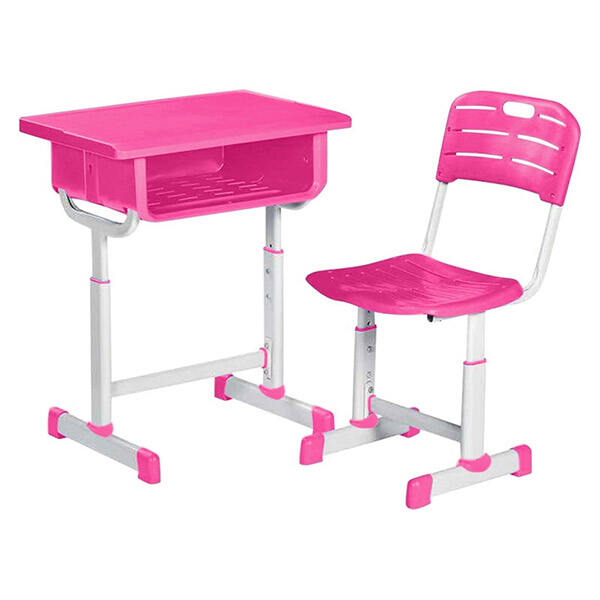
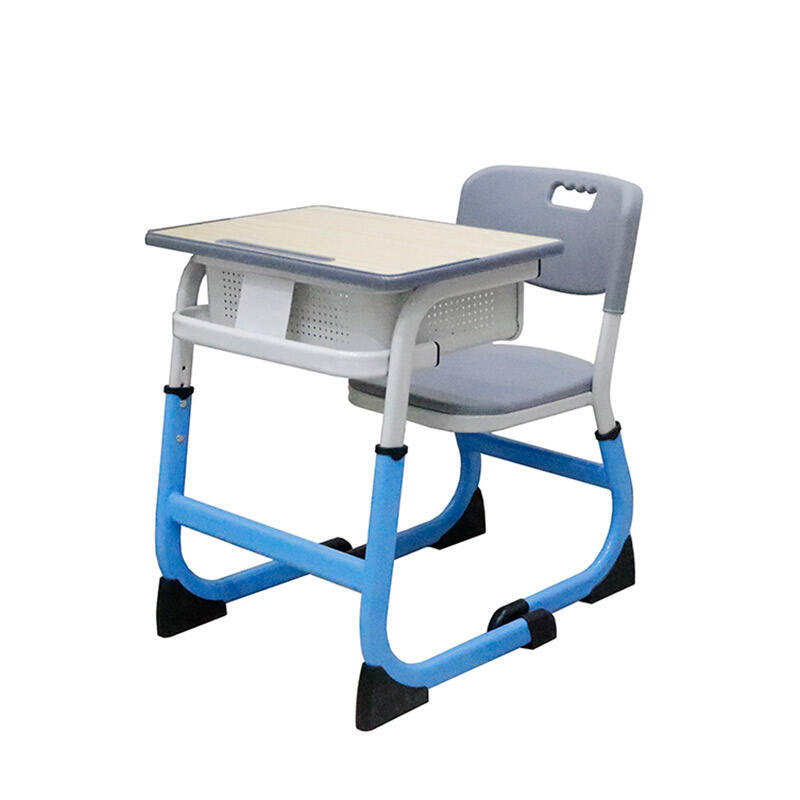
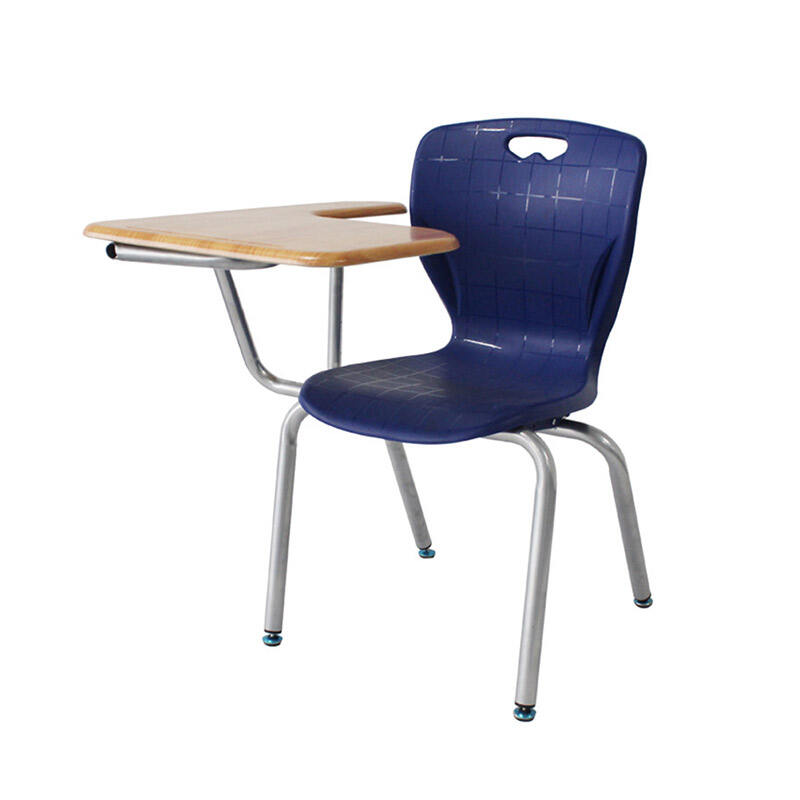
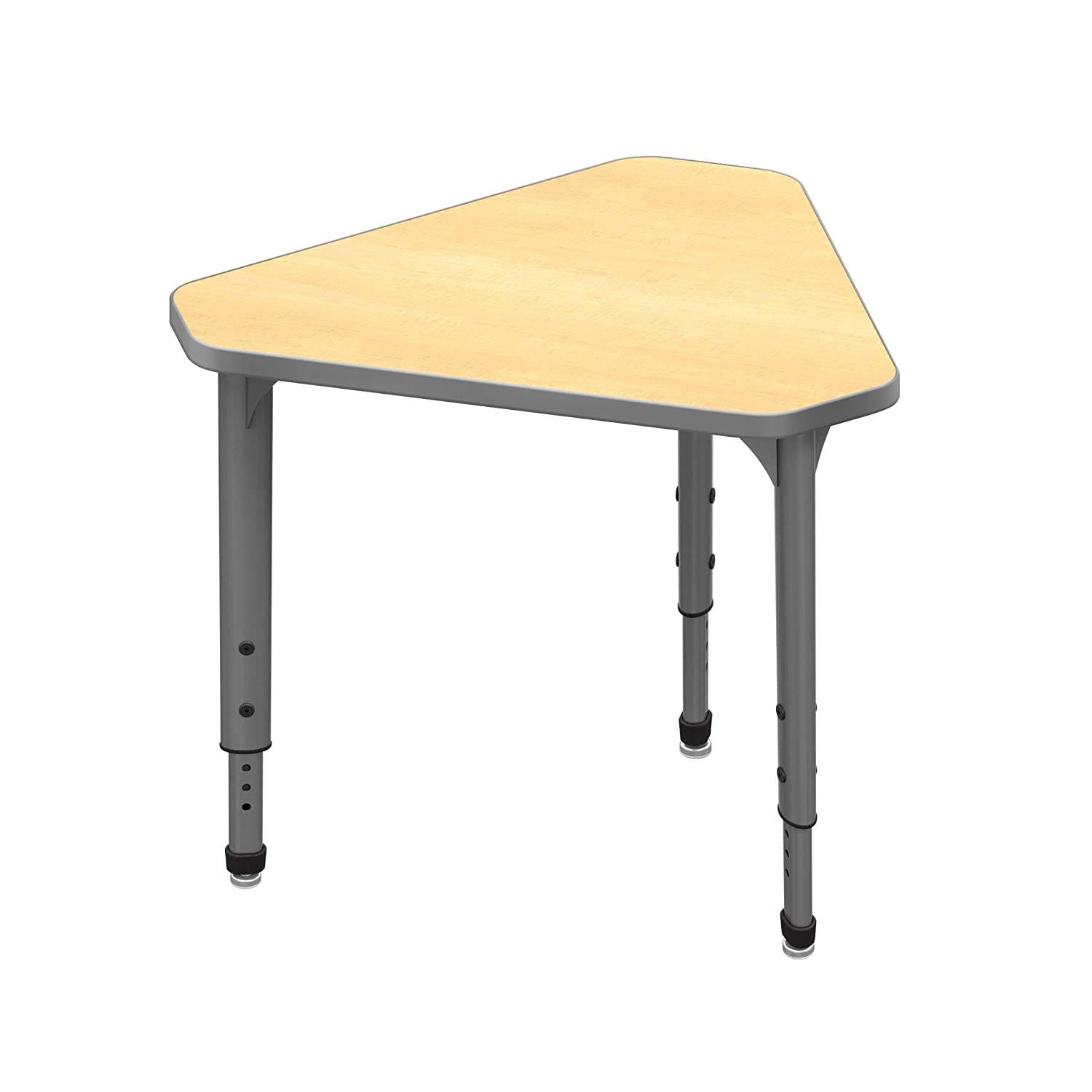
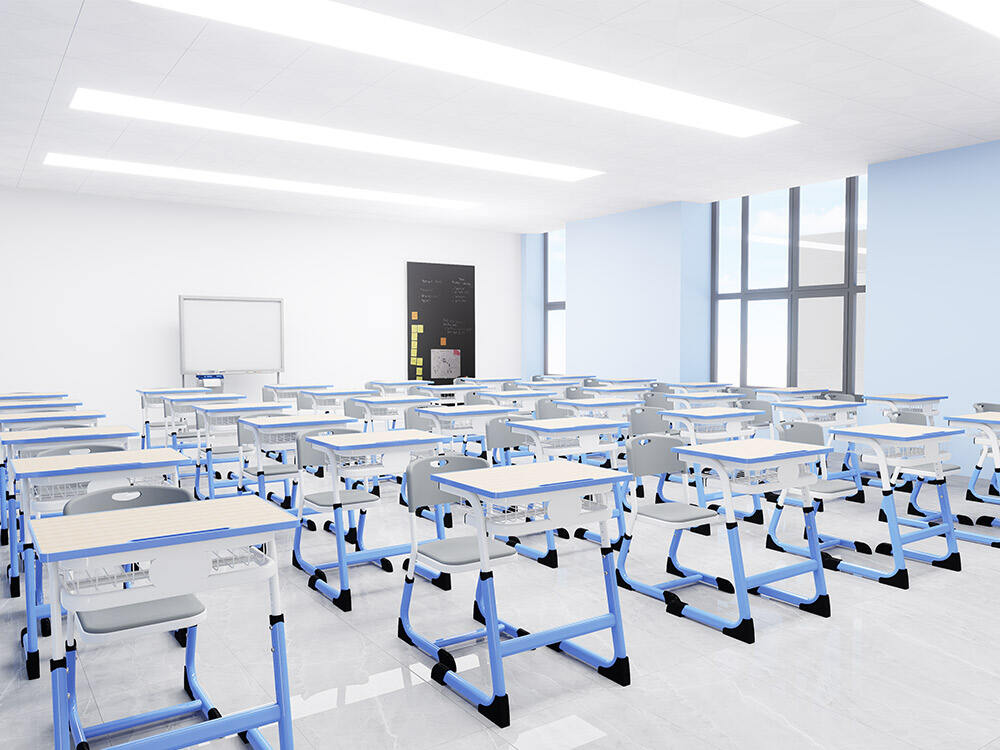
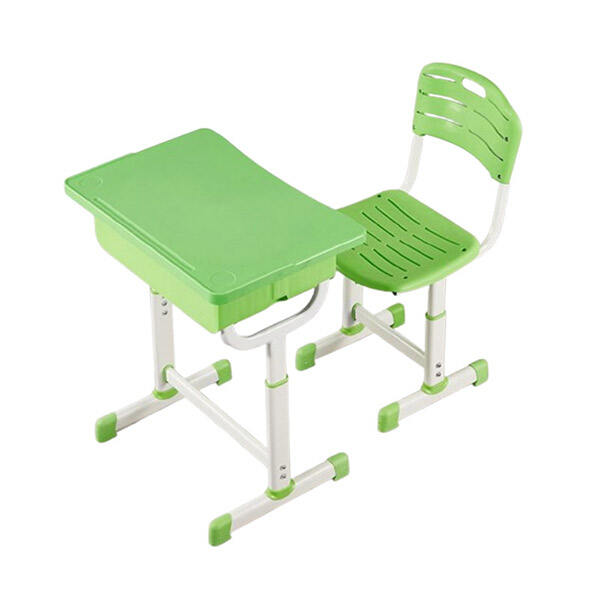
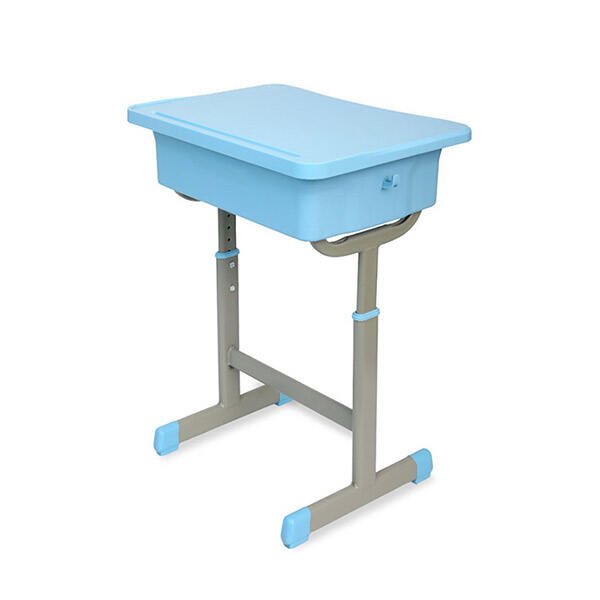
Plastic school tables have become a staple in today's classrooms because they meet the day-to-day needs of students and teachers. Smooth surfaces, rounded edges, and light weights give learners a comfortable, sensible place to write, group-work, or use a tablet. Designed for fast rearranging, each table lets educators swap layouts on the fly and turn quiet lessons into hands-on activities within minutes. Pair that flexibility with a commitment to recycled materials and careful testing, and schools get furniture that lasts while still respecting the planet.
The rise of plastic school tables is no accident. Unlike traditional wood or metal tables, high-quality plastic offers unique advantages for busy classroom environments. The smooth, non-porous surface resists stains from markers, glue, food, and beverages. A quick wipe with a damp cloth restores the table to like-new condition, saving teachers and custodial staff valuable time. The surface is also resistant to scratches and dings, maintaining its appearance even after years of backpack drags and pencil sharpener accidents. For schools that prioritize hygiene, the non-porous nature of plastic means that bacteria, mold, and mildew have nowhere to hide. Standard classroom cleaners effectively sanitize the surface without causing damage or discoloration.
Rounded edges are a critical safety feature, especially in lower grade levels where children are still developing coordination and spatial awareness. A sharp corner on a traditional table can cause painful bumps, bruises, or worse when a child trips or stumbles. Our plastic tables feature smoothly radiused corners and edges that eliminate these hazards. The rounded design also provides ergonomic benefits—students resting their forearms on the edge during long writing sessions experience less pressure and discomfort compared to sharp-edged alternatives. For classrooms with active, energetic students, this safety feature provides peace of mind for teachers and parents alike.
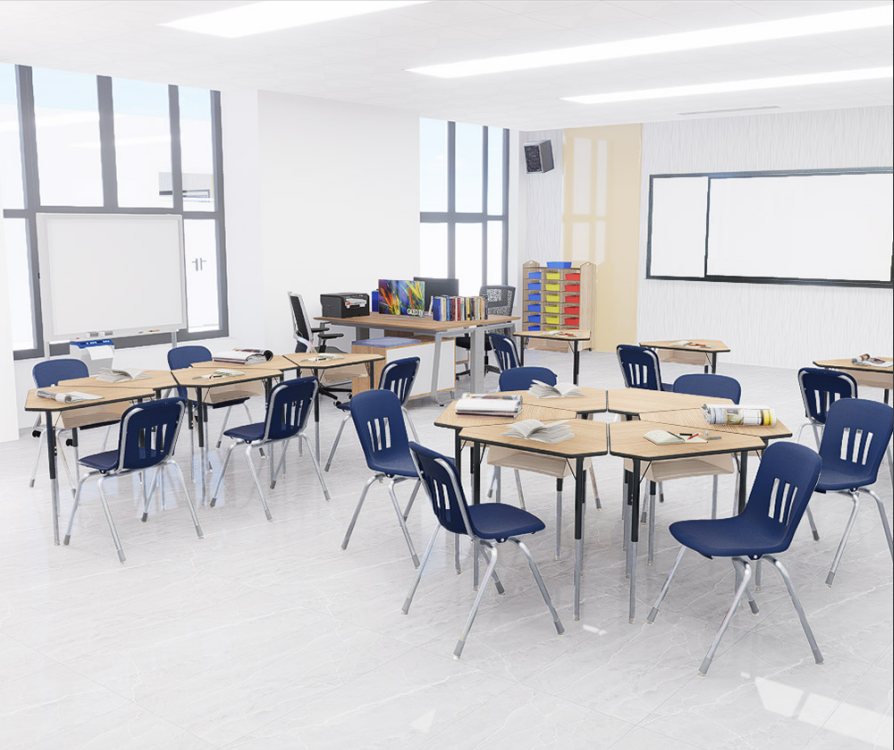
Light weight is another major advantage of plastic school tables. Traditional wood or metal tables can be heavy and awkward to move, discouraging teachers from rearranging their classrooms as often as they would like. Our plastic tables are designed to be lightweight enough for a single teacher—or even older students—to lift and reposition without strain. Despite their light weight, these tables are remarkably sturdy when in use. The engineering behind the legs and frame ensures that the table does not wobble or shift during writing, typing, or other activities. For schools that value flexible learning environments, this combination of light weight and stability is transformative. Teachers can experiment with different layouts daily, matching the physical space to each lesson plan without wasting precious instructional time on heavy lifting.
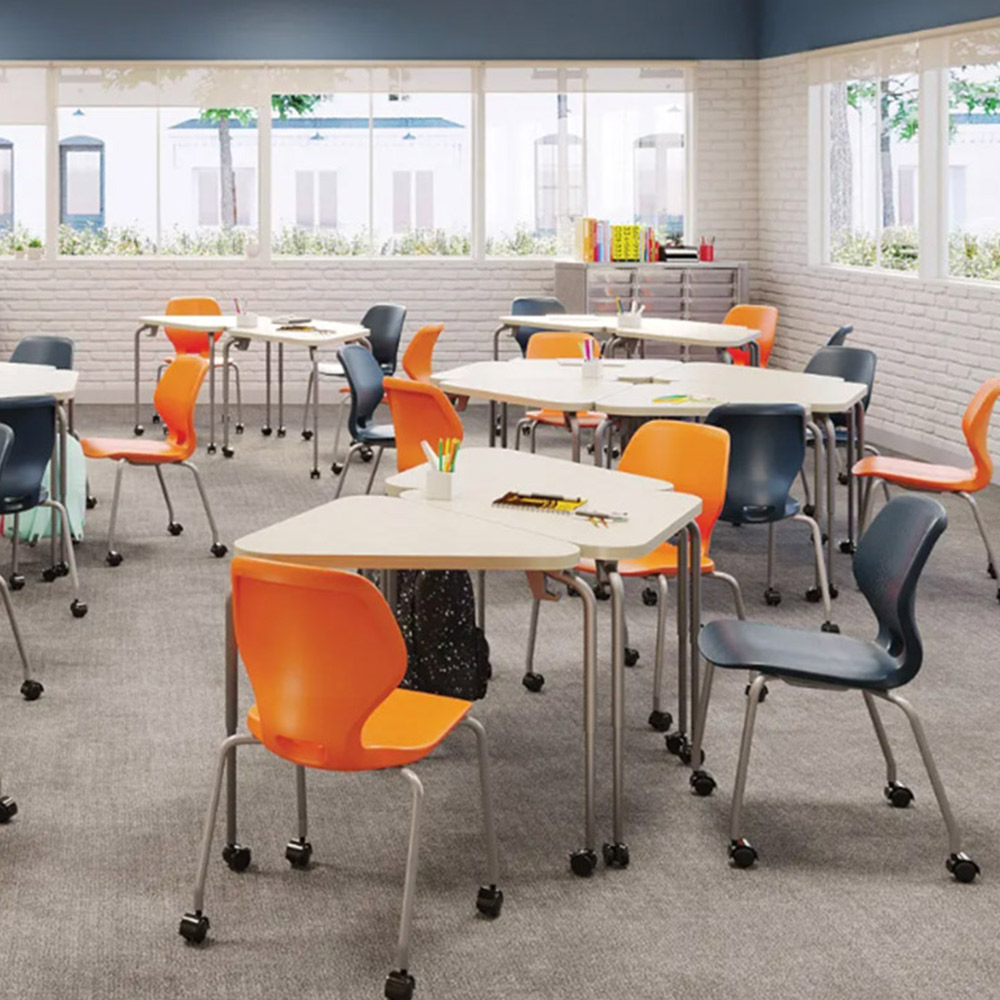
Fast rearranging is built into every detail of our plastic tables. Many models feature stackable designs that nest together compactly for storage. A classroom can go from individual desks to collaborative clusters to open floor space in a matter of minutes. For tables that need to move frequently, we offer versions with locking casters that roll smoothly across various floor surfaces and lock securely in place with a simple toe tap. For tables that are rearranged but not frequently moved between rooms, lightweight construction and ergonomic lift points make repositioning easy. Teachers report that our plastic tables cut classroom transition time by more than half compared to traditional heavy furniture, giving them back minutes of instruction every day that add up to hours over a school year.
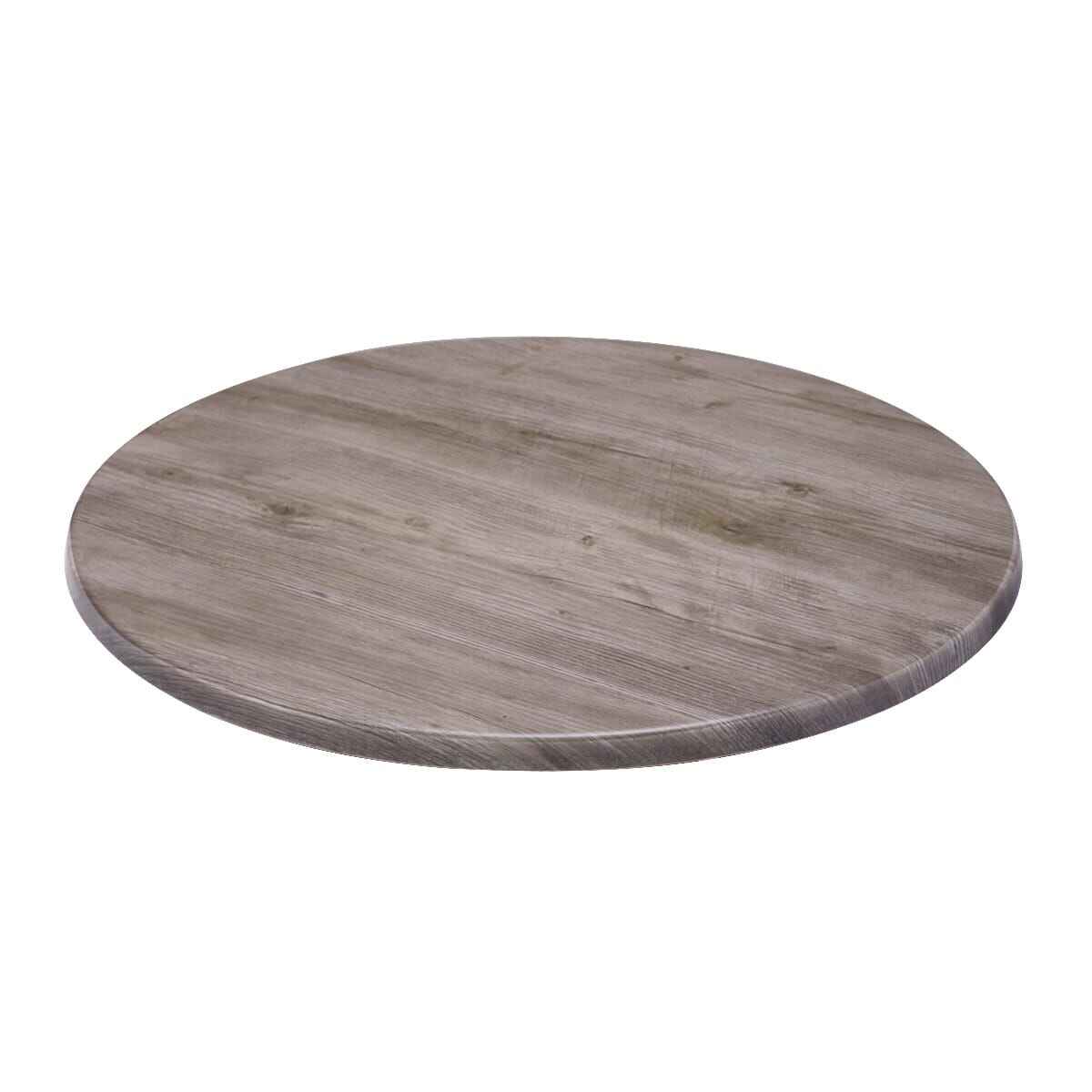
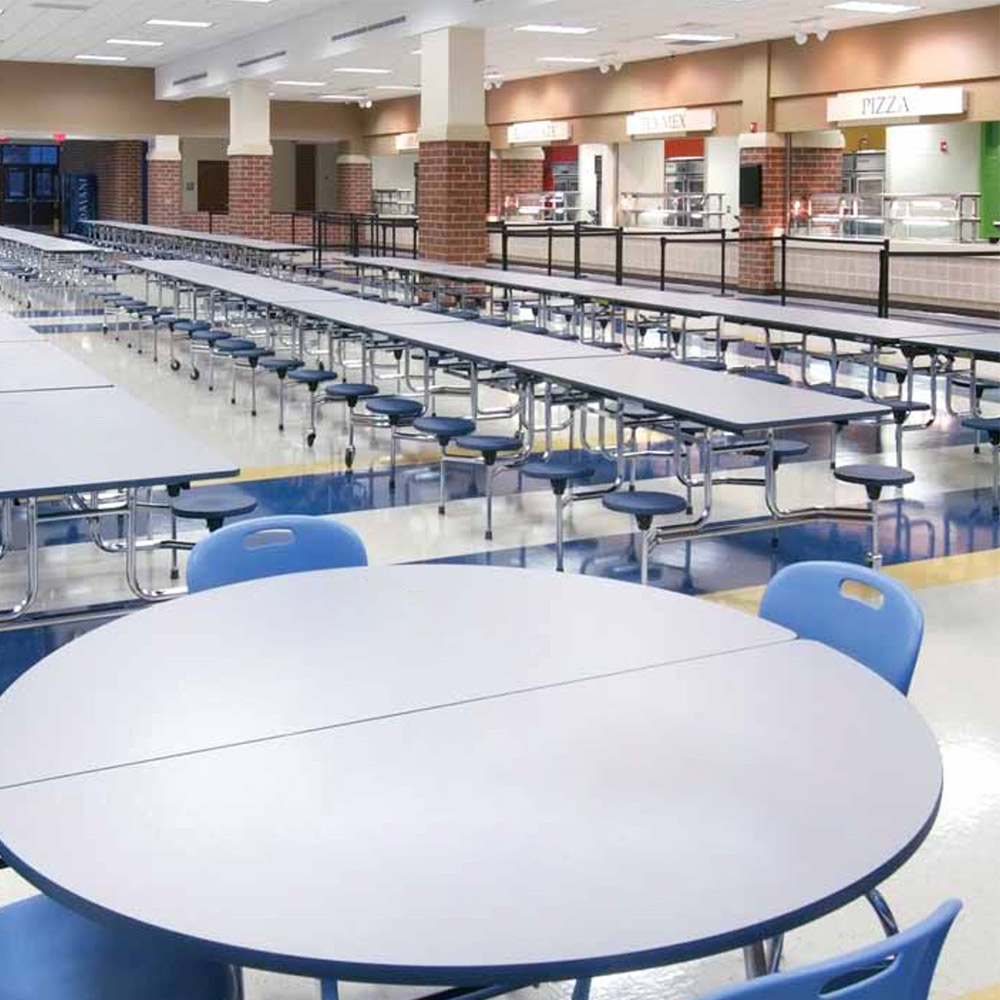
Flexibility extends to table shapes and configurations. Our plastic tables come in rectangular, round, kidney-shaped, trapezoid, and hexagonal designs. Rectangular tables work well for traditional rows or for pushing together into larger collaborative surfaces. Round and kidney-shaped tables naturally draw small groups into conversation, with every seat offering a clear view of the table center. Trapezoid and hexagonal tables unlock endless configuration possibilities, allowing teachers to create everything from seminar-style rows to intimate clusters to large hexagonal pods. For project-based learning classrooms, modular connection systems let teachers link multiple tables into extended workspaces without tools or complicated hardware.
Our commitment to recycled materials sets us apart in the educational furniture industry. The plastic used in our tables is derived from post-consumer and post-industrial recycled sources, reducing the demand for virgin plastics and diverting waste from landfills. The recycling process does not compromise quality—our tables meet the same rigorous standards for durability, safety, and appearance as those made from new materials. Schools that choose our recycled plastic tables can feel good about their environmental impact. Many educational institutions have sustainability goals, and our furniture helps them make progress toward those targets without sacrificing performance or budget. For schools seeking green building certification or simply wanting to model environmental responsibility for students, our recycled plastic tables are an excellent choice.
Careful testing ensures that every table that leaves our factory will perform reliably for years. We test for stability under weight, resistance to tipping, surface durability, edge integrity, and structural soundness. The plastic material is evaluated for UV resistance, ensuring that tables near windows do not become brittle or discolored over time. The color finishes are tested for fade resistance, so the cheerful blues, greens, reds, and yellows that energize your classroom will stay vibrant year after year. The connections between tabletops and legs are tested for strength, preventing the wobbling that plagues cheaper plastic furniture. For tables with adjustable heights, the mechanisms are cycle-tested to ensure smooth operation over thousands of adjustments. For tables with casters, the wheels and locks are tested for durability and secure engagement.
Durability is a hallmark of our plastic school tables. While some educators remember flimsy plastic furniture from decades past that cracked, warped, or stained easily, our modern plastic tables are a different category entirely. The materials we use are engineered for the demands of daily classroom use. They resist cracking even in cold temperatures. They do not warp or discolor when exposed to heat or sunlight. They clean easily without special products. The legs and frames are reinforced at stress points, preventing the fatigue failures that cause cheaper tables to wobble or collapse. Many schools report that our plastic tables remain in excellent condition after a decade of daily use, making them a cost-effective investment over time.
Respecting the planet is about more than just recycled materials. Our manufacturing processes are designed to minimize waste, reduce energy consumption, and limit emissions. We recycle scrap material from our production lines, ensuring that even the offcuts from table manufacturing are put back to use. Our packaging is made from recycled content and is itself recyclable. We work with suppliers who share our commitment to environmental responsibility. For schools that care about their carbon footprint, our plastic tables represent a responsible choice that does not compromise on quality or functionality.
Ultimately, plastic school tables from Jinhua Zhongyi Furniture Co., Ltd. offer a winning combination of practicality, flexibility, durability, and environmental responsibility. They are comfortable for students, convenient for teachers, and kind to the planet. Whether you are outfitting a new elementary school, replacing worn-out furniture in a high school, or equipping a training center, our plastic tables deserve serious consideration. Experience the difference that modern materials and thoughtful design can make. Choose plastic school tables that last—and that respect the world our students will inherit.
 EN
EN