EN

What Defines an Ideal Study Table?
An ideal study table is more than a flat surface with four legs. A study table shapes how a student sits, writes, reads, and concentrates for hours. Parents and schools often buy a study table by appearance, then discover problems after a term. A good study table supports posture, fits the body, and keeps materials organized. A poor study table causes fatigue, back pain, and lost focus. This article explains what defines an ideal study table from structure to detail. Each section covers one part of the study table decision. By the end, readers should know how to judge a study table with confidence. A study table should serve daily study. An ideal study table earns its place. A study table must suit the student. Every study table deserves a trial. A study table shapes daily learning. Choose a study table with care. A study table must serve daily.
The first requirement of an ideal study table is correct height. A study table must match the user's body, not the room's furniture set. A study table that is too high forces shoulders to rise and wrists to bend. A study table that is too low pushes the head forward and curves the spine. The ideal study table keeps the elbow near a right angle when writing. For growing students, a study table with adjustable height adapts across several years. An adjustable study table removes the need to replace furniture each grade. A fixed study table works only for one body size. Families with several children need a study table that shifts between users. Height adaptability is what separates a durable study table from a temporary one. A study table should adjust with growth. A study table must match body size. Check study table height before buying. A study table needs steady height locks. An adjustable study table grows with kids. A study table should feel right. A study table should stay simple.
The second requirement is a suitable work surface. An ideal study table offers enough depth for books, a laptop, and handwriting. A study table that is too shallow forces papers to hang over the edge. A study table that is too deep makes the far corner unreachable. A well-planned study table keeps the most-used zone within easy reach. The ideal study table also provides a stable area for a desk lamp. A study table with a slight edge lip prevents pens from rolling off. A study table surface should be flat enough for precise writing. A study table with a matte finish reduces glare from lamps. Every detail of the study table should serve concentration rather than decoration. A study table needs generous working depth. A study table should hold open books. A study table must resist lamp glare. A study table needs a flat writing zone. A study table should keep pens in place. A study table must stay steady. A study table needs real testing.
The third requirement is storage. An ideal study table keeps daily materials within arm's reach. A study table with a drawer holds pens, rulers, and calculators. A study table with a side shelf holds textbooks and notebooks. A study table without storage pushes clutter onto the floor. A tidy study table reduces the time spent searching for a worksheet. A study table with a book stand lifts reading material to eye level. A study table with a cable channel hides charger wires from view. A study table designed around real study habits stays organized under pressure. Storage turns a plain study table into a working system. A study table needs practical storage. A study table should hide loose cables. A study table must keep papers tidy. A study table needs a book stand. A study table should clear the floor. A study table should fit rooms. A study table needs clear space.
The fourth requirement is structural stability. An ideal study table does not shake when a student writes quickly. A study table with a reinforced frame resists sideways sway. A study table with adjustable feet stays level on uneven floors. A study table that wobbles spoils handwriting and distracts the user. A study table must carry heavy reference books without sagging. A study table with a thick top spreads load across the surface. A study table with welded joints outlasts one assembled from loose screws. A study table that stays still lets a student focus on the page. Stability is the quiet foundation of a good study table. A study table must stay still while writing. A study table needs a solid frame. A study table should carry heavy books. A study table must resist daily shaking. A study table needs level feet. A study table should carry weight.
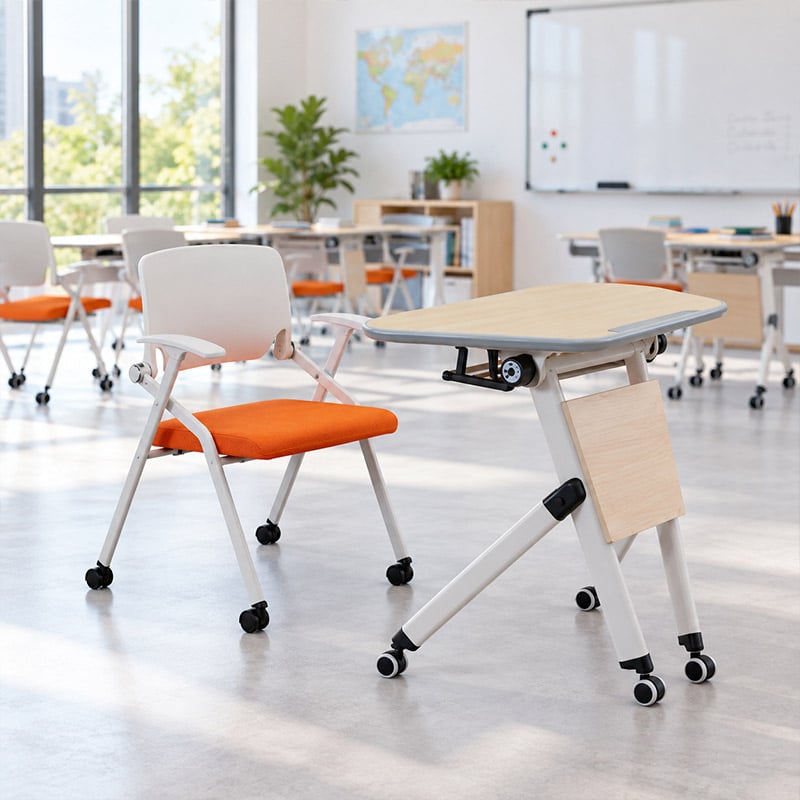
The fifth requirement is ergonomic support. An ideal study table works together with a suitable chair. A study table with a tilted top reduces neck bending during reading. A study table with a flat section supports writing and drawing. A study table should leave clear space for knees and feet. A study table with rounded corners prevents injury in small rooms. A study table at the right distance keeps the eyes comfortable. A study table designed for posture reduces fatigue across a long evening. A study table that ignores the body will be abandoned by the student. Ergonomic thinking is what makes a study table genuinely useful. A study table should support good posture. A study table needs a tilted reading zone. A study table must leave knee space. A study table should pair with a chair. A study table needs rounded corners. A study table needs clean lines.
The sixth requirement is material quality. An ideal study table is safe, durable, and easy to maintain. A study table with low-emission board protects indoor air quality. A study table with a sealed edge resists moisture and swelling. A study table with powder-coated steel resists scratches and rust. A study table with a smooth surface wipes clean in seconds. A study table with a strong coating survives ink and pencil marks. A study table made from weak material develops wobble within a year. A study table should carry clear material and safety information. A study table that passes inspection protects both buyer and brand. Material honesty defines a trustworthy study table. A study table must use safe materials. A study table should seal every edge. A study table needs a wipe-clean surface. A study table must resist ink marks. A study table should document its board. A study table should invite focus.
The seventh requirement is light and the surrounding setup. An ideal study table sits where daylight reaches the surface without glare. A study table placed against a window may cause shadows on the page. A study table with a lamp mount keeps light steady through the evening. A study table should avoid screen reflection from overhead lights. A study table near a quiet corner helps sustained concentration. A study table facing a busy doorway invites distraction. A study table with a defined boundary helps the student enter study mode. A study table position matters as much as the study table itself. Setting matters when judging any study table. A study table needs steady lighting. A study table should avoid window glare. A study table must sit in a quiet spot. A study table needs a lamp mount. A study table should face away from doors. A study table must adapt early. A study table should feel solid.
The eighth requirement is a practical check before purchase. An ideal study table can be verified in a few minutes. Sit at the study table and check that elbows rest comfortably. Push the study table gently to test for any sway. Open and close every drawer on the study table. Measure the study table against the student's height and chair. Ask how the study table height adjusts and how often it needs service. Confirm the study table warranty covers structure and moving parts. Compare the study table with classroom standards used at school. A careful check prevents a costly mistake with any study table. A study table should be tested on site. Push a study table to check for sway. Measure a study table against the student. Ask how a study table height adjusts. Confirm the study table warranty terms. A study table needs honest build.
In conclusion, an ideal study table combines correct height, a suitable surface, useful storage, stable structure, ergonomic support, honest materials, and sensible placement. A study table that meets these points supports posture and concentration for years. A study table that fails them becomes a source of daily frustration. The ideal study table is not the most expensive one but the best matched one. Buyers should test a study table the way a student will use it. A well-chosen study table repays its cost through better learning habits. Every home and classroom deserves a study table built on these principles. A study table should last many years. A study table must fit real homes. A study table deserves careful choice. A study table should repay its price. A study table needs honest materials. A study table should serve years.