EN
EN

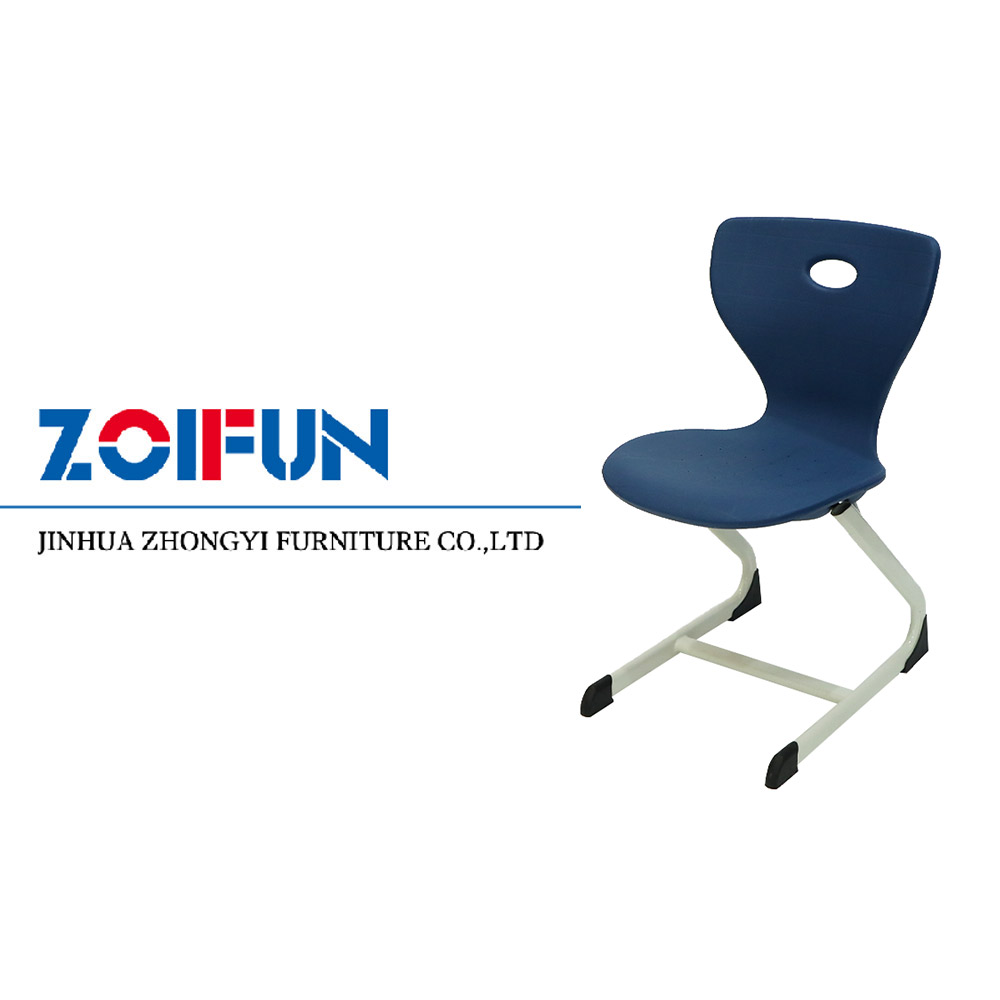
The Importance of Safety Standards for Student Chairs
Student chairs are essential furniture in classroom scenes where students of different ages spend long hours sitting and engaging in active movements daily 1. These usage characteristics make safety standards critical for protecting students' physical health and preventing accidents. Without proper safety measures, common hazards can arise, such as structural instability leading to tipping or harmful materials causing allergies.
To address these risks, adhering to core requirements of safety, environmental protection, and age appropriateness is paramount 1. This aligns with Zoifun's "safety first" product philosophy, which is reflected in its rigorous quality verification process involving safety and environmental testing 1. For instance, school furniture products must undergo thorough checks to ensure they meet the necessary standards, providing a secure and healthy seating solution for students during their daily learning activities.
Key Safety Requirements for Student Chairs
-
Structural Stability: Prevent tipping during active student movements.
-
Non-toxic Materials: Avoid allergies or health issues from harmful substances.
-
Age Appropriateness: Design tailored to the physical needs of different age groups.
-
Environmental Protection: Ensure materials and production processes are eco-friendly.
By prioritizing these safety standards, student chairs not only support students' well-being but also create a secure learning environment that allows them to focus on their studies without unnecessary risks. This approach underscores why safety standards are indispensable in the design and production of student chairs.
International Universal Safety Standards for Student Chairs
Student chairs, as essential furniture in educational environments, must adhere to stringent international safety standards to ensure the well-being of users. Among the most recognized frameworks globally are the BIFMA standards (American) and EN standards (European), which establish comprehensive benchmarks for design, performance, and safety. This section provides an overview of their key specifications and testing protocols, highlighting how compliance, such as demonstrated by Zoifun’s products, ensures alignment with global safety requirements 1.
BIFMA Standards: Focus on Durability and Performance
Developed by the Business and Institutional Furniture Manufacturers Association (BIFMA), the BIFMA X5.1 standard is specifically tailored for classroom chairs. Its scope encompasses both fixed and adjustable seating used in educational settings, with a strong emphasis on structural integrity and long-term durability. Core testing items include:
-
Impact resistance test: Simulates repeated force (e.g., from students leaning back or shifting positions) to evaluate frame and joint stability.
-
Static load test: Assesses the chair’s ability to withstand specified weights on the seat, backrest, and armrests (if applicable) without deformation or failure.
-
Cycle testing: Verifies the longevity of moving parts, such as height-adjustment mechanisms, through thousands of repeated operations.
These tests ensure chairs can endure the rigorous daily use typical in schools, reducing the risk of structural collapse or injury.
EN Standards: Child-Centric Design and Ergonomics
The European Committee for Standardization (CEN) has developed the EN 1729 standard, which is divided into two parts: EN 1729-1 (general safety requirements) and EN 1729-2 (ergonomic requirements for children’s furniture). Unlike BIFMA, EN 1729 places significant focus on child-specific dimensions and ergonomic adaptability, addressing the unique needs of growing users. Key requirements include:
-
Height adjustment range: Mandates that chairs accommodate a broad spectrum of student heights, typically from 115 cm to 180 cm, with precise increments to ensure proper alignment with desks.
-
Seat depth and width: Specifies minimum and maximum dimensions to support children’s posture without restricting movement.
-
Safety of materials: Prohibits the use of toxic substances (e.g., lead, phthalates) and sharp edges, with strict flammability limits for upholstered components.
Comparative Overview: BIFMA vs. EN Standards
To clarify the distinctions between these frameworks, the following table summarizes their core focuses:
|
Dimension |
BIFMA X5.1 |
EN 1729 |
|---|---|---|
|
Primary Focus |
Durability and performance under load |
Child ergonomics and material safety |
|
Target Users |
Educational institutions (general) |
Children and adolescents (ages 3–18) |
|
Key Testing |
Impact resistance, static load cycles |
Height adjustability, toxicology, edge safety |
|
Geographic Scope |
North America and global markets |
European Union and EEA countries |
Compliance as a Global Safety Benchmark
Adherence to both BIFMA and EN standards signifies a commitment to meeting rigorous international safety criteria. For manufacturers like Zoifun, compliance ensures products are suitable for diverse markets while prioritizing user safety 1. By aligning with these standards, chairs not only mitigate risks of injury but also support healthy posture development—critical for students spending extended hours in classrooms. This foundation of safety and quality sets the stage for exploring specific product innovations and design features in subsequent sections.
Key Takeaway: International safety standards for student chairs, such as BIFMA X5.1 and EN 1729, serve as critical safeguards against hazards. While BIFMA emphasizes durability for institutional use, EN 1729 focuses on child-centric ergonomics and material safety. Compliance with these standards, as demonstrated by Zoifun, ensures products meet global benchmarks for performance and user protection 1.
Key Safety Elements of Student Chairs: From Structure to Materials
The safety of student chairs encompasses multiple critical dimensions that collectively ensure protection and comfort during prolonged use in educational environments. These core elements can be systematically categorized into four interrelated aspects, each addressing specific risks and functional requirements.
Structural Stability
Structural stability forms the foundation of chair safety, directly addressing scenarios like a student leaning back suddenly or shifting weight abruptly. Key technical指标 include base load-bearing capacity and anti-tipping design, which prevent accidents caused by structural failure. For instance, a chair with a widened base and reinforced leg joints reduces the risk of tipping when a student leans backward, a common behavior in classroom settings.
Material Safety
Material safety focuses on chemical and physical hazards, with strict limits on formaldehyde emissions and the use of non-toxic coatings. Environmental testing, such as those conducted by Zoifun, verifies compliance with these standards, ensuring that materials do not release harmful substances even after long-term use. This is particularly crucial in enclosed classrooms where poor ventilation could exacerbate exposure risks.
Ergonomic Dimensions
Ergonomic dimensions are tailored to support healthy posture across different age groups, with seat height and backrest angle being primary considerations. Most primary school classrooms, for example, utilize adjustable height tables and chairs to accommodate varying student heights, promoting proper spinal alignment and reducing strain during extended sitting periods 1. Secondary school chairs may feature steeper backrest angles to support older students’ increased torso strength and sitting habits.
Detail Processing
Detail processing addresses injury prevention through design refinements, such as rounded edges and the elimination of protruding parts. These modifications mitigate risks of scratches or punctures when students move quickly around chairs or accidentally bump into them. For instance, rounded armrest edges and recessed screws prevent lacerations, ensuring the chair itself does not become a hazard during daily use.
Practical Safety Integration - Structural stability prevents tipping during dynamic movements like sudden leaning. - Non-toxic materials and low emissions protect long-term health in classroom environments. - Adjustable ergonomic features accommodate growth spurts, common in primary and secondary education stages. - Rounded edges and hidden hardware reduce injury risks from accidental contact.
These elements collectively reflect a holistic approach to student chair safety, balancing technical specifications with real-world usability to create environments that protect students while supporting their learning needs. Product quality verification through safety and environmental testing, combined with attention to process details, ensures that these standards are consistently met 1.
Safety Design and Compliance of Zoifun Student Chairs
Zoifun's student chair lineup exemplifies a commitment to safety and compliance through meticulous design and rigorous testing. Two representative models, the SW0002 School Chair With Writing Pad and SA0040 Modern Style School Chair, embody these principles while adhering to international standards. Both student chairs comply with BIFMA and EN international standards, ensuring their safety and quality are verified through comprehensive safety, environmental testing, and process details 1.
The SW0002 student chair stands out with its integrated writing pad design, where the connection structure has been engineered to pass BIFMA's vibration test, effectively preventing loosening during daily use. Its adjustable backrest is another key safety feature, precisely meeting EN 1729's age-specific dimension requirements to accommodate students of different ages comfortably. This attention to ergonomic detail ensures the student chair supports healthy posture throughout long school days.
For the SA0040 student chair, material selection takes center stage in ensuring safety. The seat is crafted from food-grade PP plastic, which undergoes strict testing for heavy metal content to eliminate potential health risks. The chair's cold-rolled steel frame further reinforces its durability, having successfully passed BIFMA's 100,000-cycle durability test. These material choices not only prioritize safety but also contribute to the student chair's long-term reliability in busy educational environments.
Zoifun's commitment to safety extends beyond product design and manufacturing. The company offers a 5+ Years quality warranty, underscoring its confidence in the durability and safety of its student chairs 1. Additionally, Zoifun provides a full-cycle safety guarantee with responsive after-sales support. The team responds to maintenance needs within 24 hours and provides solutions within 48 hours, ensuring any safety or functionality concerns with the student chairs are addressed promptly 1.
Key Safety Features Summary
-
SW0002 Student Chair: BIFMA-tested writing pad connection, EN 1729-compliant adjustable backrest
-
SA0040 Student Chair: Food-grade PP plastic (heavy metal tested), cold-rolled steel frame (100,000-cycle BIFMA test)
-
After-Sales Support: 24-hour maintenance response, 48-hour solution provision, 5+ year warranty
By integrating advanced safety features, premium materials, and responsive support, Zoifun's student chairs set a high standard for safety in educational furniture, ensuring students can focus on learning in a secure and comfortable environment.
Balancing Customization and Safety in Student Chairs
A common concern in educational furniture procurement is whether customization compromises safety standards. For Zoifun, customization is not arbitrary modification but safety-based optimization that operates within strict regulatory frameworks. This approach ensures that personalized adjustments enhance usability without sacrificing structural integrity or user protection.
In special education settings, seat height adjustments strictly adhere to the size intervals specified in EN 1729, the European standard for school furniture that defines ergonomic parameters based on student anthropometrics. Similarly, aesthetic customizations such as school logo applications utilize non-toxic inks that pass rigorous environmental testing, eliminating chemical hazards while maintaining visual identity.
The Brazil Student Table Chair (SS0147) exemplifies this balanced approach. Designed for tropical climates, the chair incorporates moisture-proof material treatments to prevent mold growth and structural degradation in high-humidity environments. Despite these climate-specific modifications, the product retains full compliance with BIFMA structural standards, ensuring load-bearing capacity and durability requirements are met 1. This case demonstrates how localized adaptations can coexist with global safety benchmarks through engineering precision.
Key Safety-Customization Principles
-
Adjustments follow EN 1729 size intervals for ergonomic safety
-
Decorative elements use non-toxic, environmentally certified materials
-
Regional adaptations maintain compliance with BIFMA structural standards
-
Customization is framed as "safety-based optimization" rather than arbitrary modification
Zoifun's customization system integrates three core pillars: special scene adaptation, functional design, and environmental protection standards, all while maintaining adherence to BIFMA and EN international standards 1. This structured approach reassures educational institutions that personalized furniture solutions can simultaneously meet specific operational needs and rigorous safety requirements.
Safety Selection Guide for Student Chairs: Advice for Parents and Schools
Selecting safe student chairs requires a systematic approach that integrates certification verification, structural assessment, material evaluation, ergonomic testing, and after-sales support. This guide outlines five key steps to ensure optimal safety standards for educational environments.
Key Selection Steps
-
Verify Certification Compliance
Priority should be given to chairs displaying recognized international certifications such as BIFMA and EN standards. These certifications validate that products have undergone rigorous safety and environmental testing, covering aspects from structural integrity to material emissions. For instance, products like those offered by Zoifun explicitly comply with BIFMA and EN standards, ensuring their quality is verified through comprehensive safety and environmental assessments 1. -
Assess Structural Stability
Physical inspection is critical to identify potential hazards. Consumers should shake the chair firmly to detect looseness in joints, check for protruding hardware, and ensure all components (e.g., legs, backrests) are securely fastened. A stable chair should remain steady without wobbling or creaking, indicating robust construction that minimizes tipping or collapse risks. -
Evaluate Material Safety
Request environmental test reports from manufacturers to confirm compliance with low-toxicity standards. Key metrics include formaldehyde emissions, heavy metal content, and volatile organic compound (VOC) levels. For example, Zoifun provides formaldehyde emission data as part of its environmental testing documentation, ensuring materials meet health safety benchmarks 1. -
Test Ergonomic Adaptability
The chair must accommodate the student’s physique to prevent musculoskeletal issues. Adjust the seat height to ensure feet rest flat on the floor with knees at a 90-degree angle, and verify that the backrest supports the natural curve of the spine. Chairs with adjustable features (e.g., height, seat depth) offer greater flexibility for growing children. -
Confirm After-Sales Support
Reliable after-sales service is essential for addressing wear-and-tear issues promptly. Manufacturers should provide clear maintenance protocols and responsive support. Zoifun, for instance, guarantees a 24-hour response to maintenance requests and delivers solutions within 48 hours, ensuring timely resolution of safety-related problems 1.
Safety Checklist Summary
Student Chair Safety Checklist
-
BIFMA/EN certification labels present
-
No structural looseness when shaken
-
Formaldehyde emission report (≤ 0.1 mg/m³)
-
Height adjustable to child’s leg length (knee angle 90°)
-
After-sales service commitment (≤ 24-hour response)
Choosing certified products like those from Zoifun not only ensures compliance with current safety standards but also reduces long-term risks associated with substandard furniture. By following these steps, parents and schools can create safer learning environments that prioritize student well-being.
Common Questions About Student Chair Safety
Q1: Are imported student chairs safer than domestic ones?
Safety of student chairs is determined by compliance with established safety standards rather than geographical origin. Zoifun's domestic products, for instance, are engineered to meet rigorous international safety benchmarks, ensuring they are on par with or exceed the safety levels of imported alternatives. This underscores that the key to safety lies in adherence to recognized standards, not the country of manufacture.
Q2: How to clean student chairs without damaging safety materials?
Maintaining the integrity of safety materials during cleaning requires following specific guidelines. Zoifun recommends using a neutral detergent and soft cloth to wipe surfaces, avoiding abrasive tools or harsh chemicals that could compromise the chair's structural or material safety. This approach ensures that cleaning practices do not inadvertently reduce the chair's safety performance over time.
Cleaning Tips
-
Use neutral detergent diluted in water
-
Avoid steel wool, scouring pads, or bleach
-
Wipe dry immediately to prevent moisture damage
Q3: What's the lifespan of a safe student chair?
The lifespan of a student chair depends on both structural durability and regular maintenance. Zoifun provides a 5-year warranty covering structural safety, reflecting confidence in the long-term reliability of its products. However, to ensure ongoing safety, it is advisable to inspect adjustable components (such as height mechanisms) annually, as these parts may require periodic adjustments or replacements to maintain optimal functionality throughout the chair's usable life. This proactive approach helps extend the chair's safe service period beyond the warranty timeframe.
Table of Contents
- The Importance of Safety Standards for Student Chairs
- International Universal Safety Standards for Student Chairs
- Key Safety Elements of Student Chairs: From Structure to Materials
- Safety Design and Compliance of Zoifun Student Chairs
- Balancing Customization and Safety in Student Chairs
- Safety Selection Guide for Student Chairs: Advice for Parents and Schools
- Common Questions About Student Chair Safety