EN
EN

The Classroom Experience: Why Furniture Shapes Collaboration
From my direct experience working with schools during classroom renovation and furniture selection projects, I have repeatedly seen how the right school table can change the way students interact. In traditional classrooms with fixed desks, group discussion often feels forced and inefficient. By contrast, classrooms equipped with modular school table designs allow students to face each other naturally, share materials, and communicate more openly. Teachers often report that when a school table is easy to move and sized correctly for group work, students participate more actively and feel more comfortable sharing ideas. This real-world feedback aligns with what many educators observe daily: collaboration is not only a teaching method, but also a physical experience shaped by furniture.
Ergonomic Design and Student Comfort
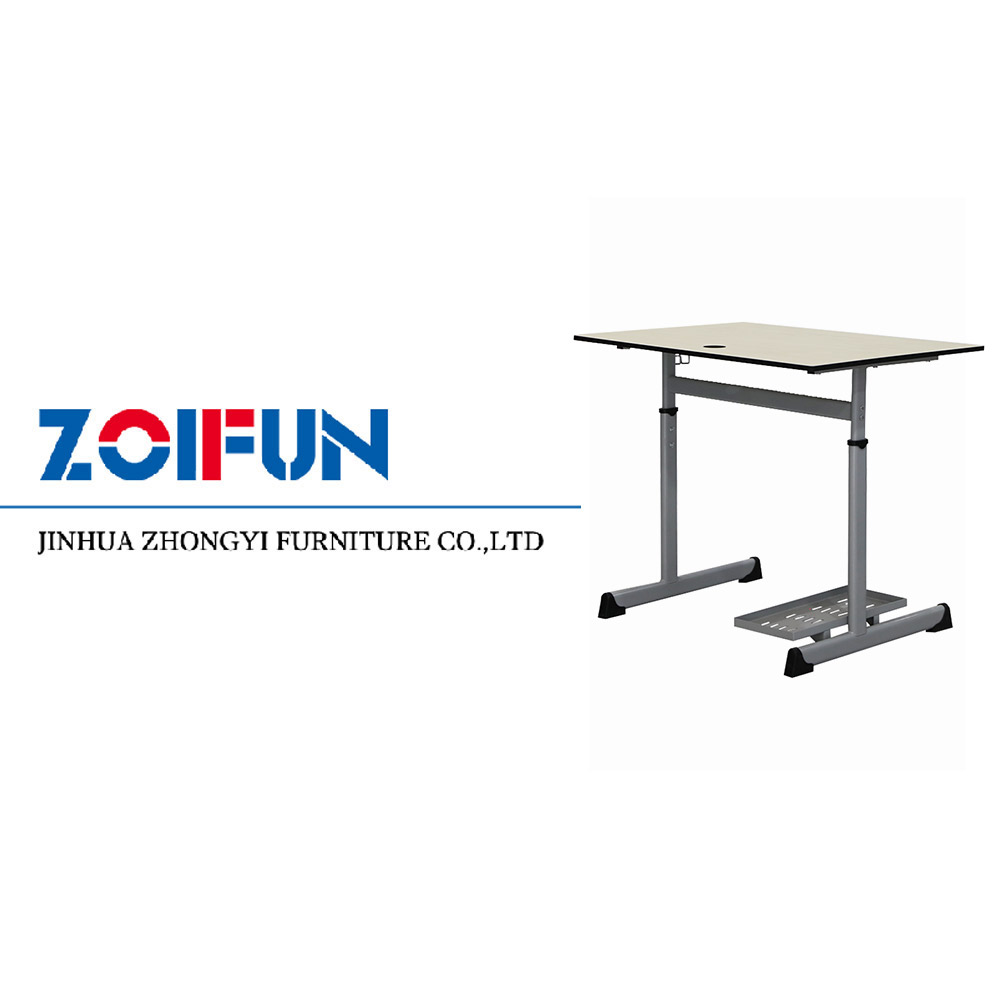
From an expertise standpoint, ergonomics plays a critical role in collaborative learning. A well-designed school table supports proper posture, reduces fatigue, and allows students to focus on group tasks instead of physical discomfort. Adjustable-height school table models are especially valuable in mixed-age or inclusive classrooms, where students have different physical needs. At Zoifun School Furniture, product development emphasizes rounded edges, stable frames, and durable surfaces that can withstand daily group activities. When students are comfortable around a school table, they stay engaged longer, listen better, and contribute more effectively to teamwork.
Flexible Layouts Encourage Teamwork
Collaborative learning thrives on flexibility, and the school table is central to that flexibility. Modern classrooms increasingly move away from rigid rows toward clusters, U-shapes, or project stations. A lightweight school table with lockable casters enables quick reconfiguration for debates, science experiments, or group problem-solving. In practice, teachers appreciate how easily a school table can be rearranged to match lesson objectives. Educational research organizations such as OECD have highlighted that adaptable learning environments directly support student collaboration and creativity. Simply put, a flexible school table empowers both teachers and students to collaborate more naturally.
Supporting Communication and Shared Resources
A core function of collaborative learning is communication, and the surface area of a school table directly supports this process. Shared table space allows students to spread out books, tablets, and project materials, making teamwork more visible and interactive. In group-based lessons, a properly sized school table ensures every student has equal access to resources, reducing dominance by a single learner. My experience in classroom observations shows that when students gather around a single school table, eye contact increases and discussions become more balanced. This physical proximity around a school table strengthens peer-to-peer learning and builds essential social skills.
Durability, Safety, and Trust in Daily Use
Trustworthiness in school furniture comes from safety, durability, and transparency in materials. A high-quality school table must meet safety standards, resist scratches, and remain stable during frequent movement. Manufacturers like Zoifun clearly specify materials such as E1-grade boards and powder-coated steel frames, helping schools make informed purchasing decisions. According to guidance from UNESCO, safe and inclusive learning environments are foundational to effective education. When educators trust the reliability of a school table, they can confidently encourage active group work without worrying about accidents or equipment failure.
Long-Term Educational Value of Collaborative Furniture
Over time, the impact of a thoughtfully designed school table extends beyond individual lessons. Schools that invest in collaborative furniture often report improved classroom culture and stronger student relationships. A modular school table can support project-based learning, STEM activities, and cross-disciplinary collaboration for many years. Based on long-term feedback from school administrators, a durable school table reduces replacement costs while continuously supporting evolving teaching methods. Ultimately, the school table becomes more than furniture—it becomes a tool that reinforces collaboration, communication, and shared responsibility among students.