EN
EN

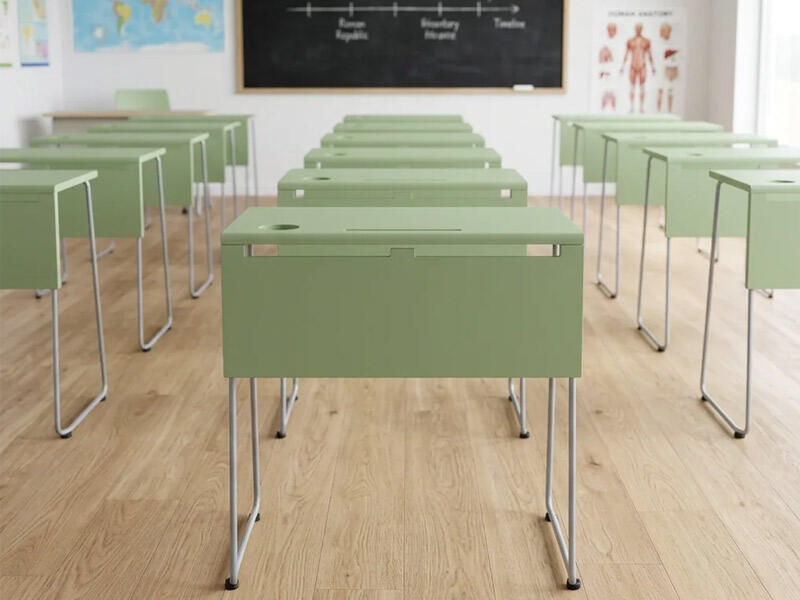
Ერგონომიასა და სტუდენტების ჯანმრთელობაზე აქცენტი
Ბოლო წლებში, ყველაზე მნიშვნელოვანი ტენდენციებიდან ერთ-ერთი სტუდენტის მაგიდა დიზაინში, ერგონომიკაზე სულ უფრო მეტი აქცენტი კეთდება. ჩემი გამოცდილებით, როდესაც ვმუშაობდი სკოლის ავეჯის პროექტებზე, ბევრი ინსტიტუტი ახლა პრიორიტეტს ანიჭებს მაგიდებს, რომლებიც მხარს უჭერენ სწორ სხეულის დგომას და ამცირებენ გრძელვადიან ფიზიკურ დატვირთვას. ცუდად შექმნილმა მაგიდამ შეიძლება გამოიწვიოს დისკომფორტი, კონცენტრაციის დაქვეითება და დროთა განმავლობაში კუნთოვანი და ძვლოვანი სისტემის პრობლემებიც კი.
Თანამედროვე სტუდენტური მაგიდების დიზაინი ყველურებით ერგონომიკური პრინციპებს ემყარება, მაგალითად, შესაბამისი მაგიდის სიმაღლე, საკმარისი ფეხების სივრცე და გლუვი წიბოები დარაზმების თავიდან აცილების მიზნით. ასევე უფრო ხშირად გამოიყენება რეგულირებადი ელემენტები, რაც სტუდენტებს სხვადასხვა სიმაღლის მიხედვით მაგიდების ადაპტაციას აძლევს. ეს მიდგომა ასახავს ფართო გაგებას იმ ფაქტის შესახებ, რომ კომფორტულად განწყობილი სტუდენტები უფრო მეტად არიან შესაძლებელი გაკვეთილების განმავლობაში კონცენტრირებული და ჩართული.
Თანამედროვე სწავლების გარემოების მოსარგებლად მოსახერხებლობა
Სტუდენტური მაგიდების დიზაინში კიდევა ერთი მნიშვნელოვანი ტენდენცია — მოსახერხებლობა. ტრადიციული მყარი მაგიდები თანდათან მოდულური და მოძრავი ვარიანტებით იცვლება, რომლებიც უკეთ მხარს უჭერენ დინამიურ კლასებში განლაგების სხვადასხვა სახეობას. სასწავლო პროექტებში პრაქტიკული დაკვირვებების საფუძველზე, სკოლებს ახლა სჭირდება ის სასწავლო მისაღები, რომელიც სწრაფად ადაპტირდება სხვადასხვა სწავლების მეთოდს, მათ შორის ჯგუფურ განხილვას, ინდივიდუალურ სწავლებას და საერთო სამუშაო აქტივობებს.
Დღესდღეობით კარგად შემუშავებული სტუდენტური მაგიდა ხშირად მოიცავს მსუბუქ კონსტრუქციებს ან მოძრავი კონფიგურაციებს. ეს საშუალებას აძლევს მასწავლებლებს ეფექტურად გადააწყობონ სასწავლო ოთახი, არ შეაფერხონ სწავლების პროცესი. მოქნილობა არ ამაღლებს მხოლოდ სასწავლო ოთახში ინტერაქციას, არამედ ხელს უწყობს სხვადასხვა სწავლების სტრატეგიის გამოყენებას, რაც სწავლების გარემოს უფრო ეფექტურად ხდის.
Გამძლეობა და მასალის ინოვაცია
Სტუდენტური მაგიდების წარმოებაში სიმტკიცე მოკლედ რჩება ძირევადი მოსახერხებლობა. სკოლებს სჭირდება სასწავლო მიზნებისთვის გამოსაყენებლად მოწინავე ფურნიტურა, რომელიც მრავალი წლის განმავლობაში გამძლეობს ყოველდღიურ გამოყენებას. ტექნიკური თვალსაზრისით, წარმოებლები მაინც უფრო მეტად აკეთებენ აკცენტს იმ მასალებზე, რომლებიც აკმაყოფილებენ სიძლიერის, ხარჯეფექტურობის და გარემოს დაცვის მოთხოვნებს.
Საერთოდ გამოიყენება მაღალი ხარისხის მასალები, როგორიცაა გაძლიერებული ფოლადი საყრდენები და დამზადებული მაგიდის ზედაპირები, რათა უზრუნველყოფოს გრძელვადიანი ეფექტურობა. ამასთან, ხაზგასასწავლებლის ზედაპირების დამუშავება, რომელიც წინააღმდეგობას აძლევს ხაზებს, ლაქებს და გამოყენების შედეგად მომხმარებლის მიერ გამოწვეულ დაზიანებას, ყველაზე გავრცელებული სტანდარტული მახასიათებლების რიგში მოექცევა. ეს გაუმჯობესებები ამცირებენ მოვლის ხარჯებს და უზრუნველყოფენ იმ ფაქტს, რომ თითოეული სტუდენტური მაგიდა დროთა განმავლობაში შეინარჩუნებს თავის ფუნქციონალურობას და გარეგნულ სილამაზეს.
Საცავის და პრაქტიკული მახასიათებლების ინტეგრაცია
Პრაქტიკულობა არის კიდევა ერთი მნიშვნელოვანი ტენდენცია, რომელიც ფორმას აძლევს სტუდენტური მაგიდების დიზაინს. რეალურ სასწავლებლებში სტუდენტებს ხშირად სჭირდებათ სასწავლებლის წიგნების, წეროსაშუალებების და პერსონალური ნივთების სახელოვანი შენახვის ადგილი. ამ საჭიროების დასაკმაყოფილებლად თანამედროვე სტუდენტური მაგიდების ამონახსნები შეიცავს შენახვის შესაძლებლობებს, როგორიცაა საყურზე გამოყენების შესაძლებლობა, სათავსოები ან მაგიდის ქვეშ მოწყობილი საცავი განყოფილებები.
Გამოცდილების მიხედვით, ინტეგრირებული საწყობარო ფუნქციით დაკომპლექტებული მაგიდები ხელს უწყობს კლასებში არსებული არასაჭიროების შემცირებას და ორგანიზაციის გაუმჯობესებას. ეს არ არის მხოლოდ სუფთა სწავლების გარემოს შექმნა, არამედ სტუდენტებს საშუალებას აძლევს სწრაფად მიაღწიონ თავიანთ სასწავლო მასალებს, რაც მინიმიზაციას ახდენს გაკვეთილების დროს მომხდარ გადახრებს. ფუნქციონალობაზე აკეთებული აკცენტი ასახავს ღრმა გაგებას იმის შესახებ, თუ როგორ შეიძლება სასწავლო მებლის დიზაინი პირდაპირ გავლენას მოახდინოს სწავლების ეფექტურობაზე.
Მდგრადობა და გარემოს მიმართ გამოცდილება
Მდგრადობა სტუდენტური მაგიდების დიზაინისა და წარმოების ერთ-ერთ აუცილებელ ფაქტორად იქცევა. სასწავლო დაწესებულებები სულ უფრო მეტად არიან გაცნობიერებული თავიანთი გარემოს მიმართ პასუხისმგებლობის შესახებ და ეძებენ მებელს, რომელიც ეკო-მეგობრული სტანდარტებს ემთხვევა.
Მწარმოებლები უპასუხობენ იმ მასალების გამოყენებით, რომლებიც უფრო უსაფრთხო და გარემოს უფრო მეტად პასუხისმგებელია, ასევე წარმოების პროცესების ოპტიმიზაციით ნარჩენების შემცირების მიზნით. ამასთან, უფრო გრძელვადი დიზაინები წვლილს ვაწვლილს გარემოს დაცვაში, რადგან ამცირებენ ხშირად შეცვლის აუცილებლობას. ეს ტენდენცია აჩვენებს, თუ როგორ არის გარემოს გათვალისწინება ახლა მჭიდროდ დაკავშირებული პროდუქტის ხარისხსა და ცხოვრების ციკლის ღირებულებასთან.
Ესთეტიკური მარტივობა და თანამედროვე დიზაინი
Სტუდენტური მაგიდების ვიზუალური დიზაინიც მნიშვნელოვნად განვითარდა. მიუხედავად იმისა, რომ ფუნქციონალობა მაინც რჩება პრიორიტეტად, სკოლები უფრო მეტად აკეთებენ წარმოდგენას სუფთა, თანამედროვე ესთეტიკაზე, რომელიც დადებით სწავლების გარემოს ქმნის.
Პრაქტიკაში ხშირად უფრო მოსწონს მარტივი და ნეიტრალური დიზაინები, რადგან ისინი ადვილად შეიძლება ჩაერთონ სხვადასხვა სასწავლო ოთახის გარემოში. გლუვი ხაზები, ბალანსირებული პროპორციები და მომწიფებული ფერები წვლილი შეაქვს მშვიდი და მოწესრიგებული სივრცის შექმნაში. კარგად დიზაინირებული სტუდენტური მაგიდა არ არის მხოლოდ სწავლების ფიზიკური მხარდაჭერა, არამედ ვიზუალურად ასევე აუმჯობესებს სრულ სასწავლო ოთახის გამოცდილებას.
Ტექნოლოგიის თავსებადობა და მომავლის მზადება
Როგორც ციფრული სწავლება უფრო გავრცელებული ხდება, სტუდენტური მაგიდების დიზაინი თანდათან ადაპტირდება ტექნოლოგიური საჭიროებების დასაკმაყოფილებლად. მიუხედავად იმისა, რომ არ არის ყველა სასწავლო ოთახში საჭიროებული მაღალი დონის ინტეგრაცია, იზრდება იმ მაგიდების მოთხოვნა, რომლებიც შეძლებენ ლეპტოპებისა და ტაბლეტების მხარდაჭერას.
Ინდუსტრიის თავდაპირველობის მიხედვით, ეს მოიცავს მახსოვრობის მართვის საშუალებებს, საკმარის ზედაპირის სივრცეს და ელექტრონული მოწყობილობების სტაბილურ სტრუქტურას. მიუხედავად იმისა, რომ ეს ტენდენცია ჯერ მიმდინარე განვითარებაშია, ის ასახავს განათლების მიმდინარე ტრანსფორმაციას და იმ სასწავლო მებლების საჭიროებას, რომლებიც მხარს უჭერენ როგორც ტრადიციულ, ასევე ციფრული სწავლების მეთოდებს.
Სარჩევი
- Ერგონომიასა და სტუდენტების ჯანმრთელობაზე აქცენტი
- Თანამედროვე სწავლების გარემოების მოსარგებლად მოსახერხებლობა
- Გამძლეობა და მასალის ინოვაცია
- Საცავის და პრაქტიკული მახასიათებლების ინტეგრაცია
- Მდგრადობა და გარემოს მიმართ გამოცდილება
- Ესთეტიკური მარტივობა და თანამედროვე დიზაინი
- Ტექნოლოგიის თავსებადობა და მომავლის მზადება